In some categories, up to 70% of total volume is sold during promotional periods, say our clients.
As a result, trade promotion management in CPG becomes a core part of category economics, not just a marketing task. It creates new pressures for brands.
Retailers expect deeper discounts. Competitors respond quickly to each other’s promotions. And small mistakes in planning or execution can quickly affect profitability.
These challenges are not theoretical. We see them in real planning cycles and retailer negotiations.
In this article, we explore the key 2026 challenges in CPG trade promotion management and how brands address them in practice, based on real examples from the industry.
Three Ways Companies Handle Trade Promotion in CPG
The types of CPG trade promotion problems brands face often depend on the maturity of their management processes. In other words, teams at different levels of operational maturity face different challenges.
These levels are not static. Companies rarely operate entirely within a single model, and many organizations move between them over time.
Regardless of where a team currently operates, understanding these approaches helps clarify where operational gaps and blind spots are most likely to appear.
| Level | How Promotions Are Managed | Main Limitation |
| Reactive Promotion Management | Promotions handled via spreadsheets, emails, and retailer requests. | Little visibility into budgets or promotion performance. |
| Structured Promotion Planning | Promotions planned in advance with defined processes and TPM/TPO tools. | Execution and real sell-out performance remain unclear. |
| Integrated Promotion Management | Planning, execution, performance tracking, and financials are connected. | Outcomes are still affected by retailer and market dynamics. |
Reactive Promotion Management
Some companies run promotions largely through spreadsheets, emails, and retailer requests. They make decisions quickly and often react to competitor activity or short-term sales pressure.
For example, matching a competitor’s deeper discount or adding an unplanned promotion to meet a retailer’s request.
While this approach allows for flexibility, it often limits visibility into budgets, promotion effectiveness, and long-term profitability.
Structured Promotion Planning
Other companies rely on more structured promotion planning processes, often supported by dedicated Trade Promotion Management (TPM) or Trade Promotion Optimization (TPO) tools.
While these tools are often discussed in TPM vs TPO debates, they represent different levels of trade promotion management rather than a strict either-or choice.
With this strategy, promotions are planned in advance, budgets are allocated by customer or category, and teams review results after each promotion cycle.
The approach improves coordination between sales, finance, and marketing teams and provides a clearer structure for managing promotional activities.
However, limitations remain. In many cases, planning and budgeting become more organized, while other parts of the promotion cycle remain less transparent. Store-level execution may still be difficult to verify, and performance evaluation often relies heavily on sell-in data rather than actual sell-out results.
As a result, companies may gain better control over planning while still lacking full visibility into how promotions perform in the market.
Integrated Promotion Management
This type of team manages promotions as a connected commercial process.
In such organizations, promotion planning, in-store execution, performance tracking, and financial reconciliation are closely linked. Teams monitor promotion performance more continuously and adjust tactics during the promotion period rather than waiting until the campaign ends.
This approach improves visibility across the entire promotion cycle and allows companies to maintain stronger control over trade spending.
Even at this level, external factors such as retailer purchasing behavior, competitor actions, and category dynamics can still influence promotion outcomes. However, integrated processes provide teams with better data and faster feedback loops to respond to these changes.
The difference between these three approaches is not the promotions themselves. Most brands use the same mechanics – discounts, displays, bundles, and retailer incentives.
The real difference lies in how well companies control the process behind them. This is where many of the key challenges in trade promotion CPG begin.
The Key Challenges Facing Trade Promotion in CPG
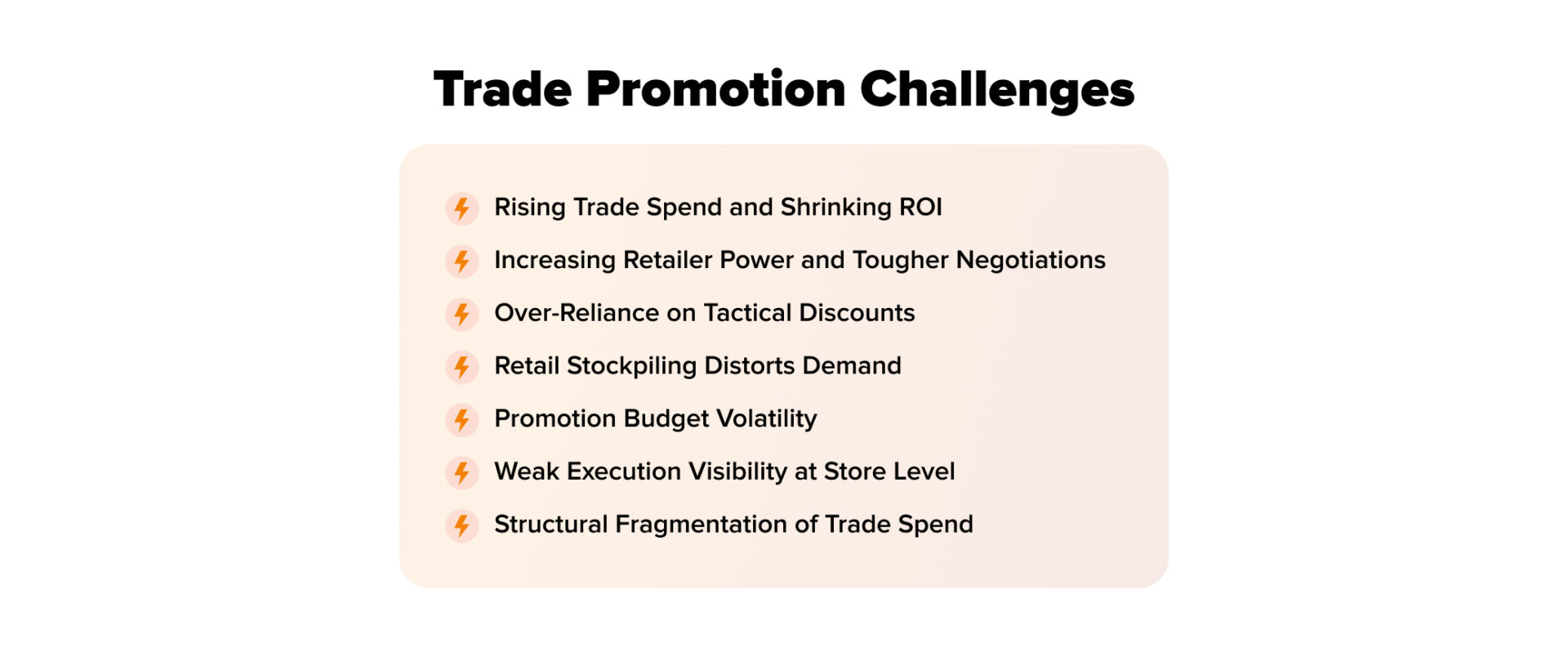
In 2026, the challenges are less about inventing new mechanics and more about controlling the process of trade promotion management in the CPG industry, which is becoming more expensive, data-heavy, and retailer-driven.
Rising Trade Spend and Shrinking ROI
Trade spend continues to grow across most CPG categories. In many organizations, it represents one of the largest cost lines after the cost of goods.
Yet ROI is under increasing pressure.
Discount depth rises. Promotions run more frequently. Baseline demand erodes. And incremental uplift is often overestimated because measurement focuses on sell-in rather than true sell-out performance.
Estimating baseline sales is itself a challenge. In categories with constant promotional activity, distinguishing between regular demand and promotion-driven sales becomes difficult.
Retail behavior further complicates the picture. Large promotional orders are often followed by periods of reduced purchasing, making true incremental demand hard to measure.
Without accurate baselines, ROI calculations quickly become unreliable.
How Leading Brands Estimate Baseline Demand
Leading CPG companies increasingly rely on advanced analytics and integrated data systems to determine baseline sales even in promotion-heavy categories.
ML-driven trade promotion management software helps simulate what sales would likely have been without a promotion. That’s how AI in trade promotion works: it analyzes historical sales patterns, compares similar time periods with and without promotions, and adjusts for factors such as pricing changes, competitor activity, and seasonality.

Increasing Retailer Power and Tougher Negotiations
Access to shelf space, display opportunities, and promotional visibility increasingly depends on suppliers’ commercial concessions.
Retailer partners now frequently expect:
- deeper discounts
- longer promotional windows
- exclusive mechanics
- higher listing support and commercial bonuses
Retailers constantly compare promotions across suppliers and across rival chains. If a competing retailer runs a 40% discount on a similar product, buyers may ask their suppliers to match or beat it. As a result, a single aggressive promotion can quickly trigger a chain reaction of deeper discounts across multiple suppliers and retailers.
In some categories, retailer partners actively push suppliers to maintain several promotional campaigns per period to sustain shopper traffic.
For brands without strong trade promotion analysis, negotiations quickly become reactive.
How Brands Can Address Tough Negotiations with Technology
Some brands now use advanced analytics tools to support promotion negotiations with retailers.
Take SSBS’s PromoTool, for example. The TPM/TPO solution features a chat-like interface where users can ask questions in a conversational manner and receive easy-to-understand answers.
This LLM-driven feature can extract information from calculations that would normally require navigating multiple reports or dashboards. Instead of manually reviewing datasets, users can ask questions such as how a specific promotion performed with a retailer, how discount depth affected volume, or how similar promotions impacted margins in the past.

By making complex promotion analytics easier to access, the tool helps commercial teams prepare stronger arguments for negotiations and respond more quickly to retailer requests.
Over-Reliance on Tactical Discounts
Temporary price reductions remain among the most common CPG trade promotion strategies and mechanics across many categories.
While discounts are effective at driving short-term sales spikes, excessive reliance on them creates risks for brands.
Frequent price promotions can gradually reshape shopper behavior. Consumers begin to delay purchases until discounts appear. It reduces baseline demand and increases price sensitivity.
Over time, this dynamic leads to several challenges:
- baseline sales decline
- promotion depth must increase to generate the same uplift
- brand equity weakens as price becomes the primary purchase driver
In highly competitive categories, discounting can also trigger price wars. One supplier’s aggressive promotion often forces competitors to respond with similar or deeper discounts, escalating promotion intensity across the category.
Retail Stockpiling Distorts Demand
Retailers frequently purchase large volumes during promotional windows and reduce orders afterward.
In practice, this means a retailer may stock up on products at a promotional price and continue selling them at the regular retail price after the promotion ends.
For suppliers, this creates several challenges:
- baseline demand becomes distorted
- post-promotion sales decline sharply
- demand forecasting becomes unreliable
How Brands Address this Challenge
There are several practical methods to reduce the impact of retailer stockpiling:
- Limiting the quantities eligible for promotional pricing, often based on normal sales levels. This helps prevent retailers from buying unusually large volumes just because the price is temporarily lower.
- Many brands plan promotions together with retailers, agreeing in advance on expected volumes and timing. This creates clearer expectations on both sides and reduces excessive inventory builds.
- Teams monitor sales after promotions end. If sales drop sharply, it can signal that retailers stocked up during the promotion, helping brands adjust future promotions and forecasts.
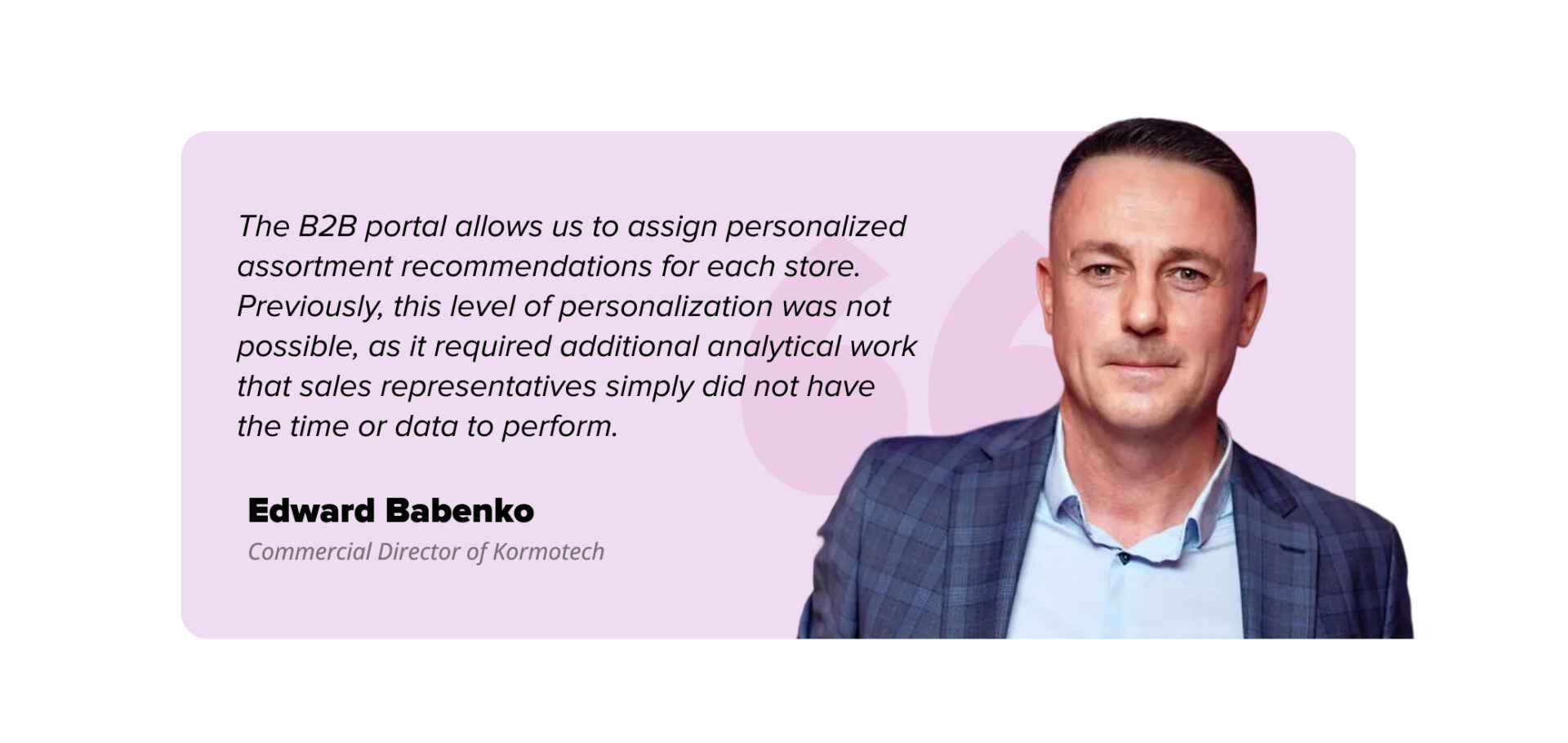
- Brands are also increasingly using CPG B2B eCommerce platforms, such as E-assistant by SSBS, to manage promotional ordering. Through these platforms, retailers can see their individual promotional prices, available quantities, and promotion conditions in one place.
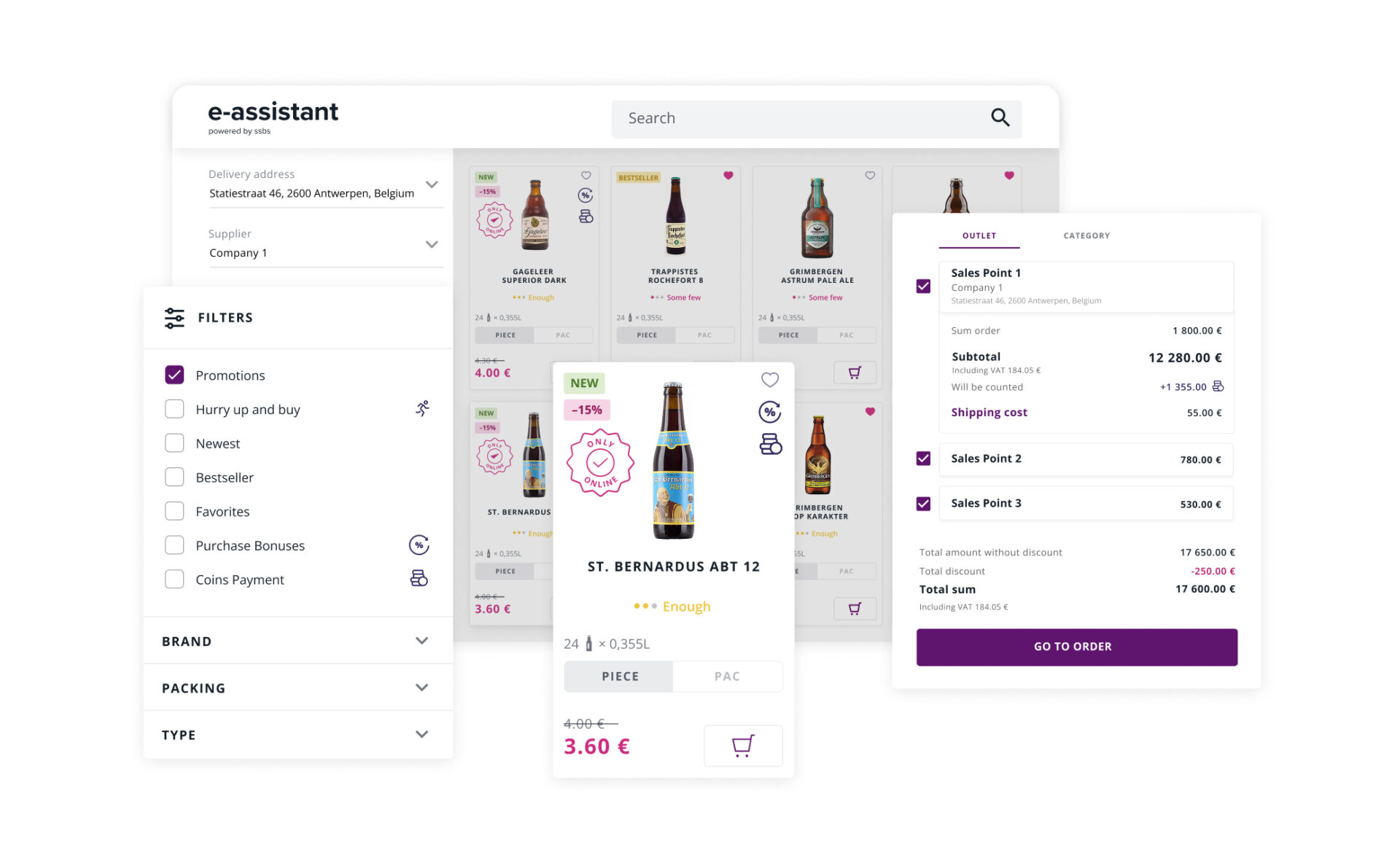
Because orders are placed within the system, brands can limit promotional quantities, track orders in real time, and monitor how quickly promotional stock is being purchased. This helps prevent unusually large orders during the promotion window.
In addition, these platforms provide valuable data on order patterns, helping brands detect stockpiling behavior and plan future promotions more accurately.
Promotion Budget Volatility
Promotion budgets are typically approved months in advance. However, the final cost of a promotion often differs significantly from the original forecast.
A promotion initially planned with a budget of €100,000 may ultimately cost two or three times more, depending on:
- higher-than-expected sell-in volumes
- deeper discounts required by retailers
- expanded participation across chains
In such situations, brands may face difficult operational decisions during promotion execution: whether to continue shipments, limit supply, renegotiate terms, or absorb the additional cost.
How TPM/TPO Helps Manage Budget Volatility
By linking planned promotions with actual shipments, discounts, and accruals, TPM/TPO tools provide near-real-time visibility into how much budget has already been used and how much risk remains.
If costs begin to exceed forecasts, teams can adjust volumes, revise promotion mechanics, or renegotiate terms with retailer partners before the overspend becomes significant.
Weak Execution Visibility at Store Level
Many trade promotion in CPG agreements include investments in in-store visibility: secondary displays, checkout placements, branded equipment, or additional shelf space.
However, verifying whether these elements are actually in their places in stores is a challenge.
Brands may pay for:
- promotional displays
- secondary placements
- special equipment installations
Yet confirming whether these placements are installed correctly (or at all) often requires multiple visits.
How Augmented Reality and Image Recognition Help
A proven way to address this issue is to use CPG software solutions driven by Augmented Reality and Image Recognition.
Field reps take photos of shelves or promotional areas during store visits, and the system automatically analyzes the images to verify whether displays, equipment, or promotional materials are present and correctly positioned.
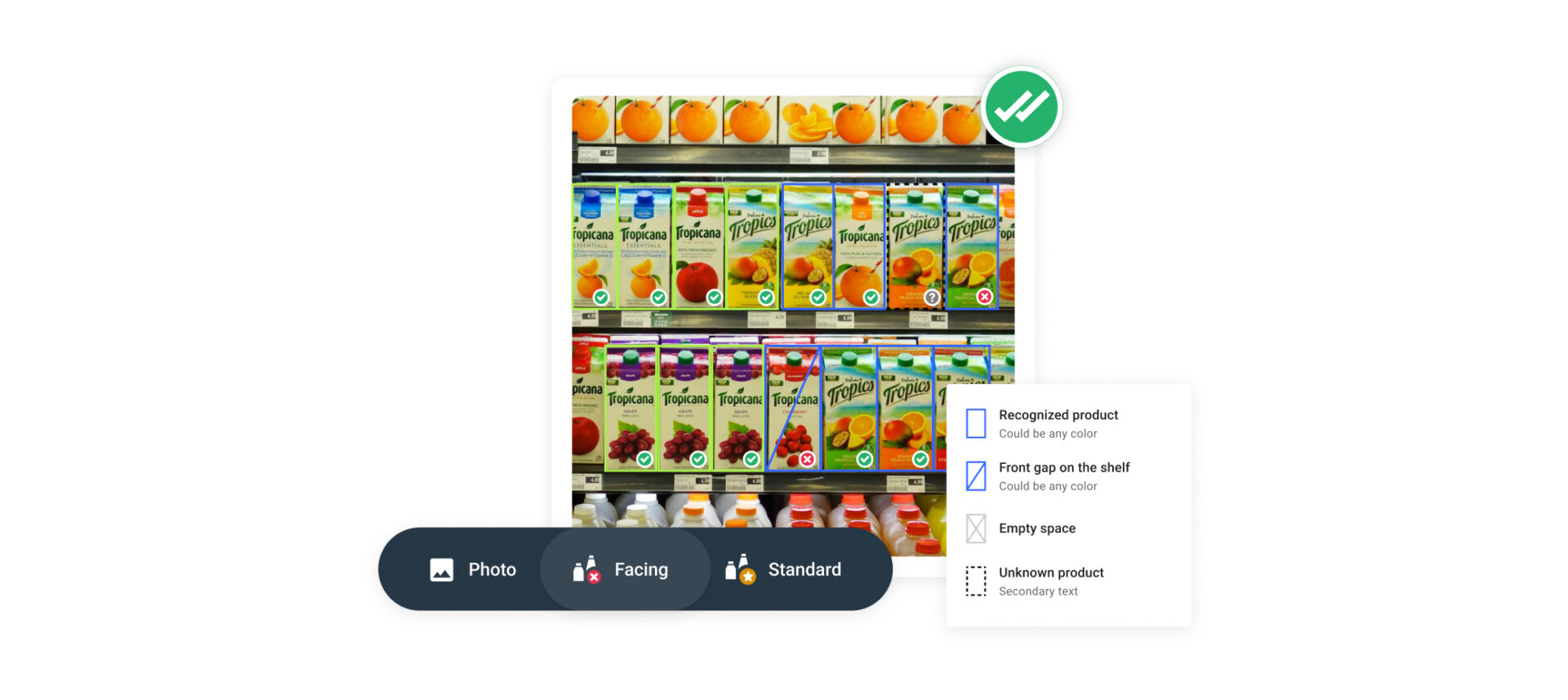
This allows teams to confirm execution more quickly, document compliance across stores, identify missing or incorrect placements in seconds, and fix issues immediately.
Structural Fragmentation of Trade Spend
In many organizations:
- promotions are managed in TPM tools
- annual agreements, rebates, and fixed retailer fees are tracked separately
- financial reconciliation happens in spreadsheets
- accrual validation lacks real-time visibility
Trade promotions represent only part of the total trade spend, yet broader commercial investments are often managed through disconnected workflows.
This fragmentation makes it difficult to assess the full profitability of retailer relationships.
Case in point
One of our clients, a global poultry producer, initially implemented our PromoTool to systemize trade spend tracking. Previously, annual agreements, rebates, and fixed fees were managed across disconnected workflows, limiting financial transparency.
By centralizing trade spend management alongside promotional activity, the company gained full visibility into contract terms, total retailer investment, and accrual status.
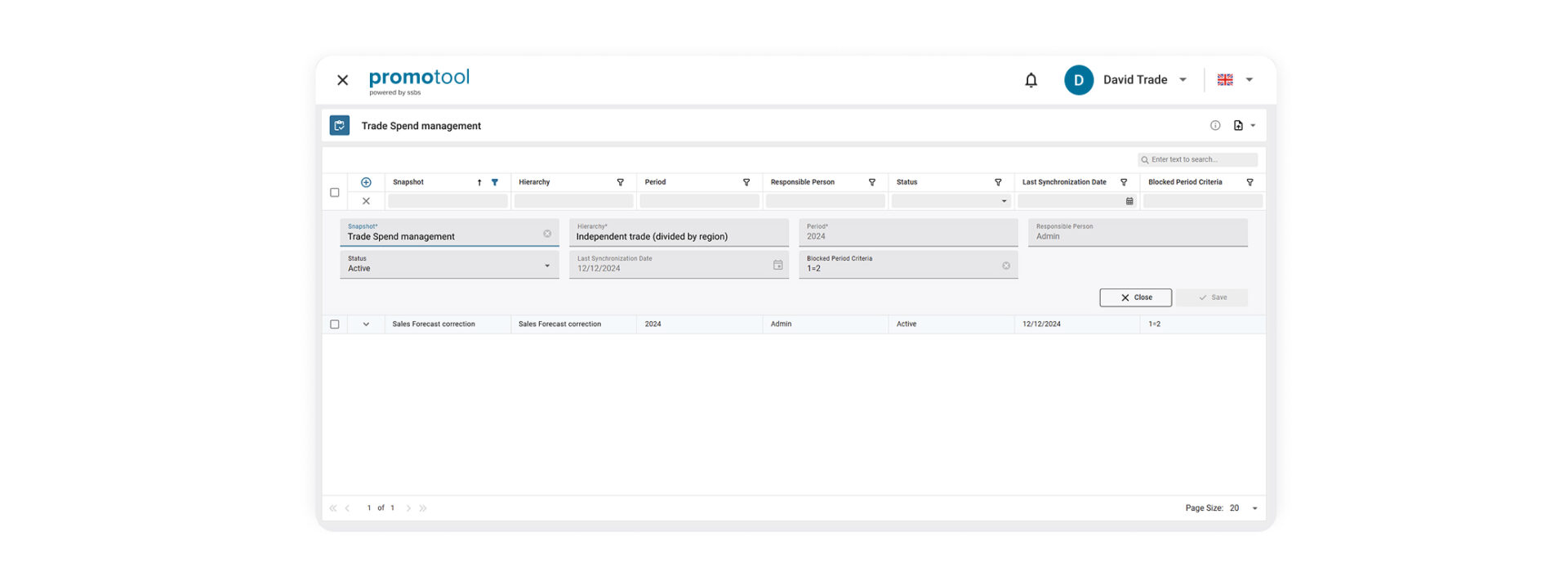
Unexpectedly, this also strengthened cross-department alignment. Sales, finance, and management teams began operating from the same data foundation, improving promotion planning and reducing reconciliation friction.
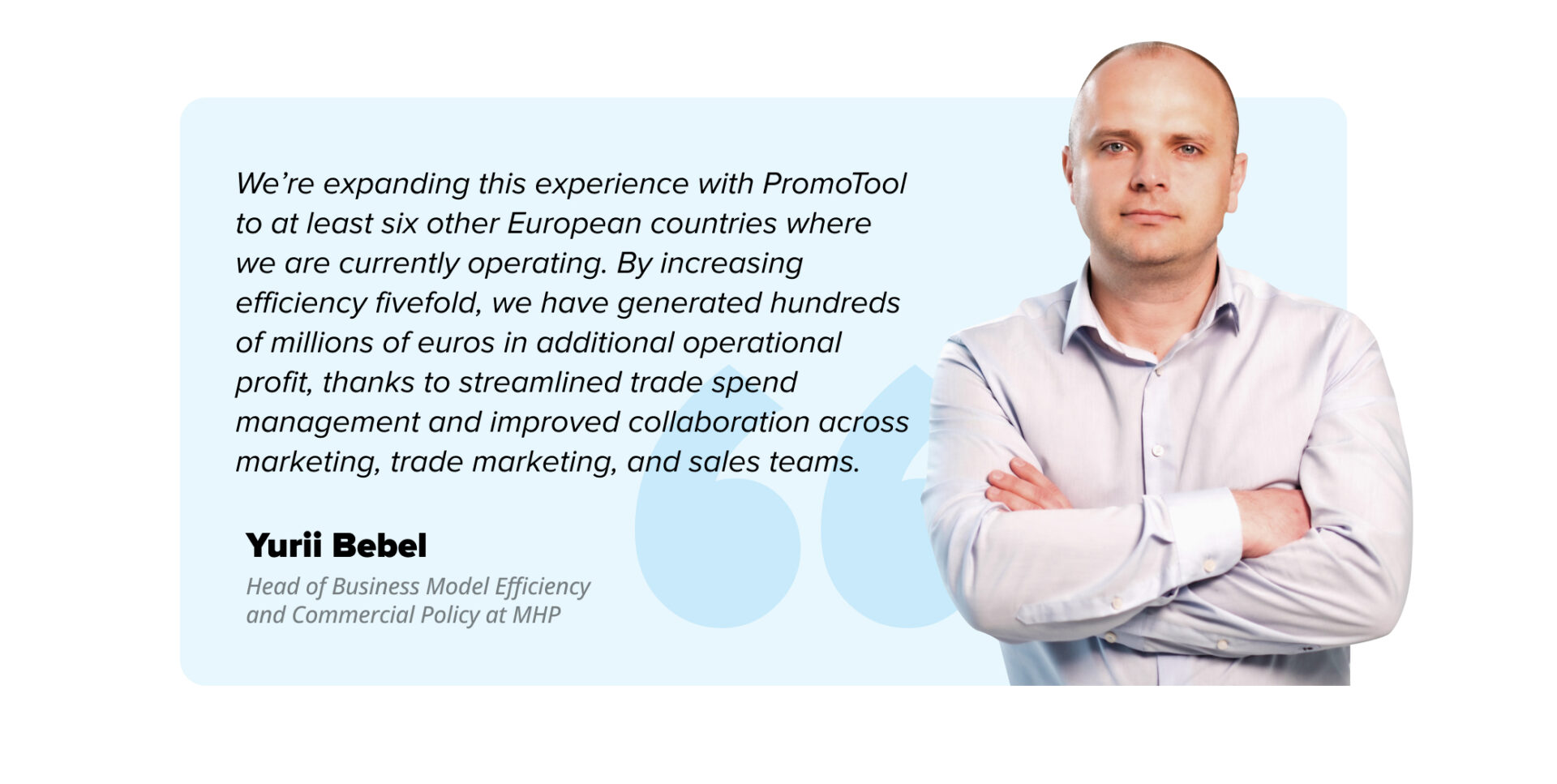
When trade promotion and broader trade spend remain disconnected, profitability analysis is incomplete.
When they are integrated, financial control improves across the entire commercial system.
How Can Trade Promotion in CPG Become More Effective
Brands that achieve stronger results usually improve both their operational and technological maturity.
Operational maturity means moving from reactive decision-making to more structured promotion planning, clearer processes, and better alignment between sales, finance, and trade marketing teams. It also involves closer collaboration with retailers and more consistent monitoring of promotion results.
Technology supports this shift. Trade promotion management in CPG increasingly relies on TPM and TPO platforms that help companies plan promotions, control trade spend, and analyze performance using more complete data.
At the store level, Image Recognition helps verify whether promotions are executed correctly.
Together, stronger processes and better tools give companies something many still lack: greater control over promotion spending, execution, and overall profitability.