Companies that invest in digital tools are, on average, 23% more profitable than those that don’t. We see that in the results our clients achieve.
One client grew sales by 12%, cut visit costs by 60%, and reduced logistics expenses by 38% after replacing manual work with software. Another nearly doubled store visits, cut merchandising costs by 60%, and sped up shelf audits by 30% – all thanks to FMCG-tailored digital solutions.
But what’s the ROI per tool? That’s harder to pin down because no software works in isolation, and results usually come from a mix of tools, teams, and process changes.
In this article, we will discuss the ROI calculation in FMCG, the top factors impacting those ROIs, and how to measure software adoption results.
Top Challenges in ROI Calculation in FMCG from Digital Innovations
Calculation of ROI in FMCG, when it comes to implemented software, is a really tricky process. Mainly because of the following reasons.

The Impossibility of Isolating the Influence of Certain Tools for FMCG ROI Calculation
Let’s say you simultaneously integrated our Image Recognition solution, Distributor Management System, and Trade Promotion Management software.
After three months, your sales in one region jump by 12%. Great news, right? But what made it happen? Was it Image Recognition that dramatically improved on-shelf availability? Or did Distributor Management System tighten up delivery cycles? Maybe the Trade Promotion Management software nailed the perfect discount at just the right time?
Hard to say. And it only gets trickier when these solutions start interacting with each other. Suddenly, you’re not looking at one tool driving results – it’s a chain reaction.
External and Internal Economic Factors
Here’s a story from a European cold beverages manufacturer.
Summer is always their golden quarter. So, when they rolled out a major digital transformation and saw a massive spike in sales compared to previous years, the team was thrilled. Everything seemed to be working.
The truth is the summer that year was one of the hottest in recent memory. So, it wasn’t clear what caused the spike – the new digital tools, the high temperatures, or a combination of both.
That’s the problem with FMCG ROI calculations. External forces, such as tariffs, wars, and sudden shifts in consumer behavior, inevitably impact sales, supply chains, and demand patterns.
The same goes for internal changes like pricing strategies, team restructuring, or new product launches. As a result, your ROI measurements are distorted.
Data Quality and Integration Issues
That’s a big one among FMCG challenges. Many companies in this industry are still running on legacy systems built long before the data-is-everything era. These older tools simply weren’t designed to generate, share, or process data the way modern digital infrastructure requires.
So, when you add a cutting-edge, AI-driven tool (but it’s getting patchy, outdated, or inconsistent data), figuring out what the new software is actually doing for your business becomes more guesswork than analysis.
Modern digital tools work best when integrated into a broader ecosystem – sales, inventory, and field systems need to “talk” to each other. However, when AI solutions are forced to work alongside legacy systems, they may fall short of their full potential.
Delayed Impact of Innovations
Digital transformation in FMCG is impossible without understanding that data is priceless. But what if you could turn the flood of accurate, relevant data you collect every day into clear ROI figures? The catch is that it does not happen overnight.
Some improvements, like better decision-making or process efficiencies, may not show up in sales or cost reports right away but build value gradually.
No Pre-implementation Baseline
If a company didn’t track relevant metrics before introducing a digital tool, it becomes nearly impossible to measure its impact or compare performance meaningfully. The same is true for companies with no established processes.
Focus on Problem-Solving Over ROI Calculation in FMCG
In most cases, the calculation of ROI in FMCG isn’t the driving force behind the adoption of a digital tool. Fixing a pain point is. Maybe coverage is poor, or orders are getting stuck in a slow process – the priority is often in solving that problem over achieving some financial metrics.
As a result, ROI may not be tracked from the start or even considered at all.
So, when someone finally asks, “What did this solution actually deliver?” there’s no baseline number against which to compare. But the team sees that the tool did its job.
Concrete formulas everyone can plug their data into, or at least one calculation of ROI example in FMCG – we know that’s what you’re looking for in this article. Unfortunately, the formula does not exist. And to showcase how ROI is calculated in FMCG through one example is impossible. But don’t be discouraged; we’ll give you something even better in the next paragraph!
How to Detect Improvements from FMCG Tools (Even Without Full ROI Data)
The fact that there’s no one-size-fits-all ROI calculation formula in FMCG doesn’t mean you’re flying blind. There are always some clear signals that show whether a solution is working or not. Let’s look at ways companies overcome those challenges we’ve discussed.
Sales Force Automation
Such a basic tool for a successful FMCG automation, but apparently, some companies are still missing out. Let’s take our SalesWorks, for example. It enables automated routing, guided store visits, order taking, promotions, pricing, and shelf management. It supports the Perfect Store process through its built-in features and capabilities, like recommended steps, and it provides advanced analytics for continuous performance tracking. In addition, it integrates seamlessly with tons of tools, including our Image Recognition solution.
How do our clients understand that SalesWorks brings value to their business?
No one can measure all of the impact directly. But what they do see is clear:
- more visits completed per day,
- time spent on FMCG sales strategy or important tasks instead of pure administration,
- better promo execution,
- tons of data every day that gives managers real-time visibility into what’s actually happening in the field,
- faster, more informed decisions,
- the capability to proactively address issues as they arise.
As we have seen from real-life client stories, businesses can rarely count on numbers from their pre-digitalization era. When nothing stops the field staff from presenting great KPIs on paper (even if execution on the ground tells a different story), data becomes more of a checkbox than a reliable guide. SalesWorks changes that – turning execution data into actionable insights that drive real sales growth.
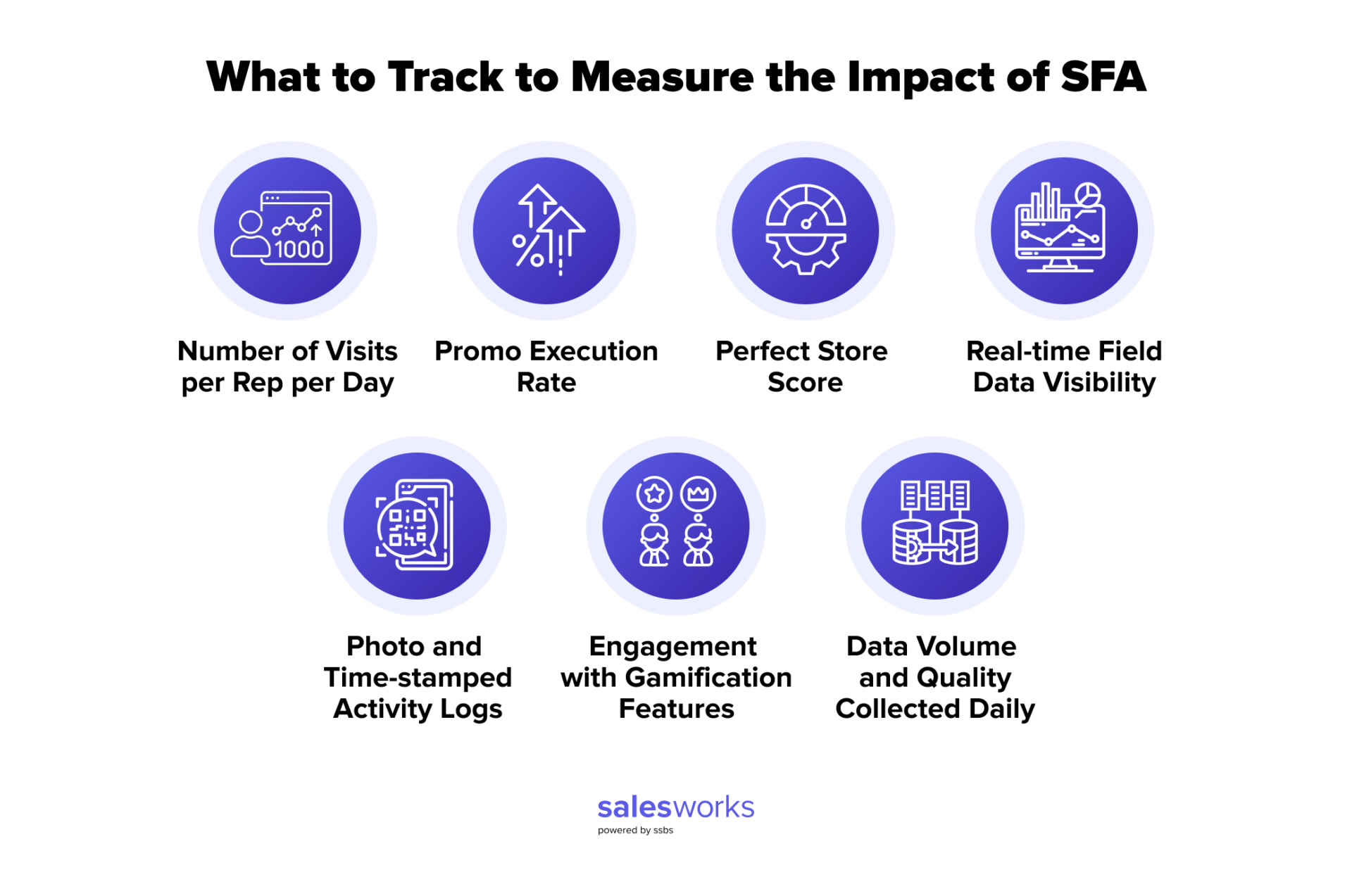
Image Recognition
FMCG Image Recognition Solution, especially when intensified with Augmented Reality, is another software that, after implementation, gives you evidence that all the manual calculations before were inaccurate and misleading.
Does the clear understanding about the Share of Shelf, SKUs presence, planogram compliance, and level of on-shelf availability gain value? No doubt.
But can you see the immediate impact on sales volume just from knowing these numbers? Actually, yes.
With AI-driven Image Recognition from SSBS, sales reps have exact recommendations on how to improve on-shelf visibility during their store visits.
Moreover, this IR solution isn’t just about instant results. It’s about building consistency and control over time. It enables teams to detect execution gaps, fix them faster, and prevent them from happening again.
Last but not least, the time per visit drops significantly. For one of our clients, it created the opportunity to cut costs on an external agency that was previously responsible for store audits, saving thousands per month. That’s a clear countable win.

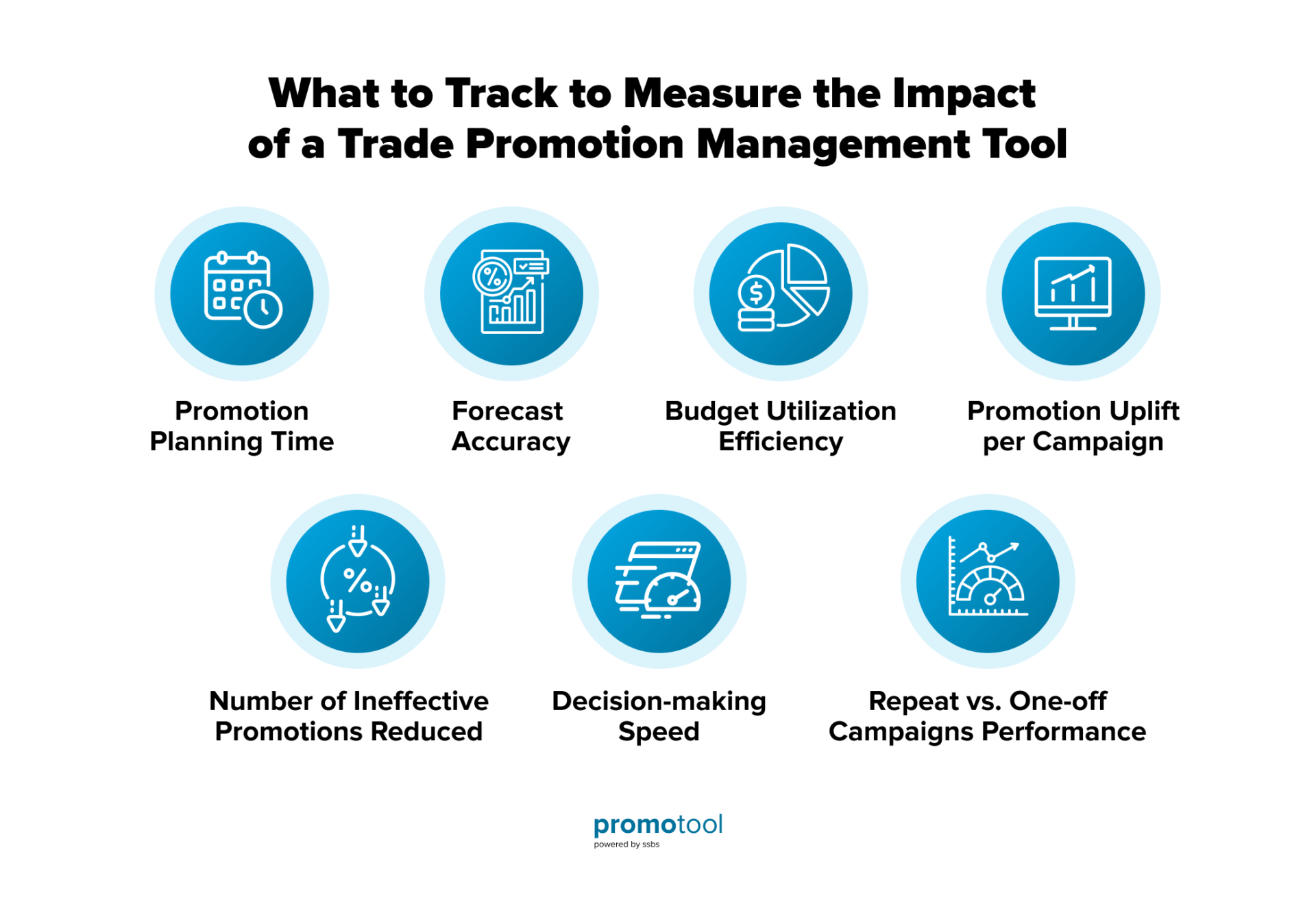
Trade Promotion Management (TPM)
The first valuable thing you can save with a Trade Promotion Management tool is time. From some of our clients’ cases, planning without such instruments can take up to six months. But with TPM, it’s reduced to just a few weeks. It’s clear: more working hours freed up for other tasks, less back-and-forth between departments, and faster decision-making overall.
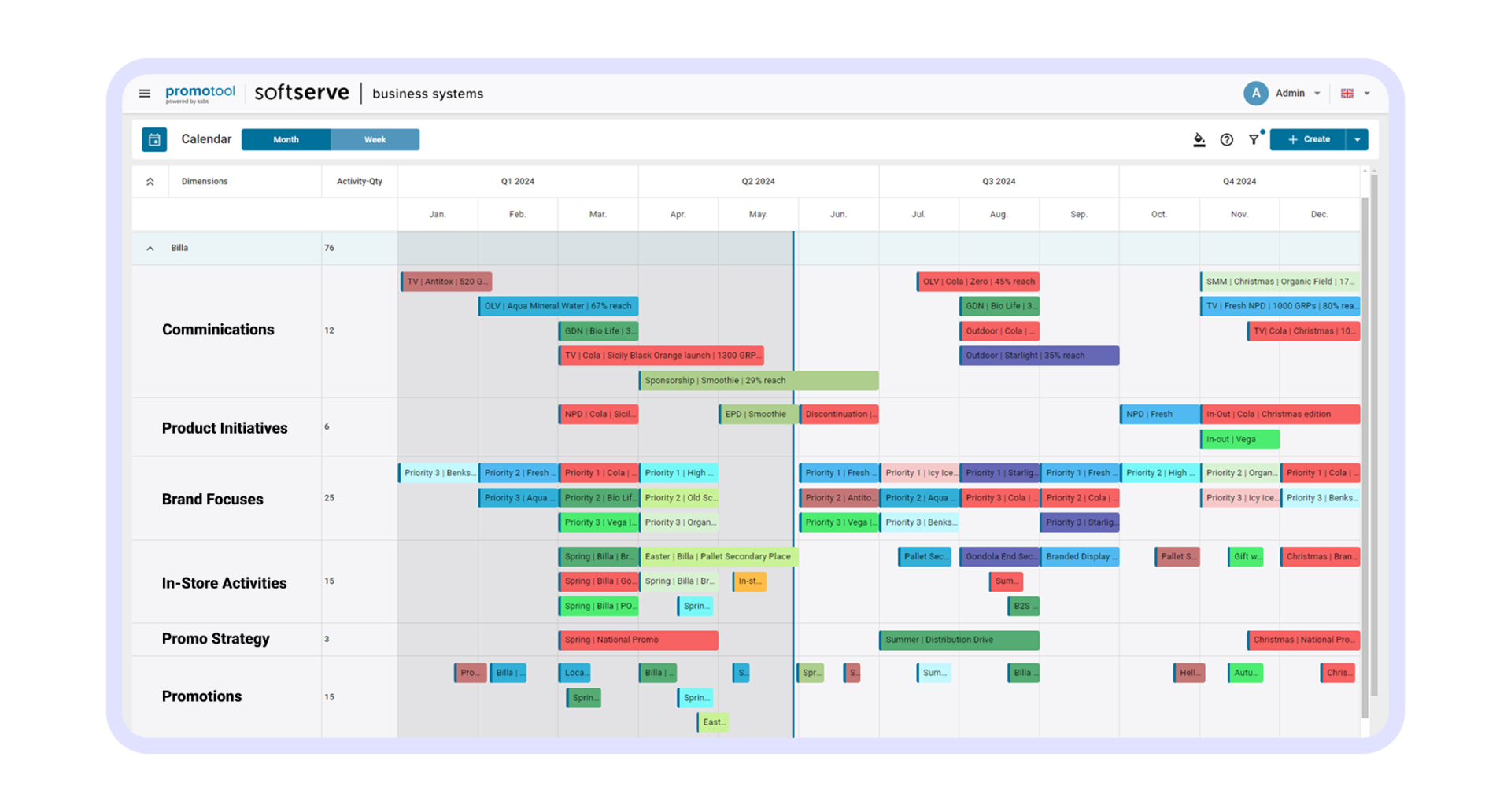
In terms of money, the savings come from multiple angles:
- Fewer ineffective promotions that eat into margins without delivering real uplift.
- Better budget allocation, based on data-backed forecasts and performance insights, leading to more effective trade spend management.
- Reduced revenue leakage and indirect expenses thanks to tighter control over discounts, conditions, and payouts.
- Minimized compliance risks, with clearer audit trails and better documentation.
Beyond savings, TPM also improves internal collaboration. Marketing, sales, and finance finally speak the same language, use the same data, share the same metrics, and chase the same goals.
Read also about best practices on TPM rollout for mid-sized FMCG
Most importantly, TPM takes the guesswork out of trade investments. You’ll finally have clear answers to questions like:
- Which promos actually paid off?
- Where did we overspend?
- What should we repeat, refine, or avoid next quarter?
- How can we optimize future marketing campaigns for both efficiency and growth?
Bit by bit, those insights build a more data-driven and agile commercial strategy. And that’s where the real impact kicks in.
B2B eCommerce Platform
A B2B eCommerce platform minimizes the dependency on large field teams by automating routine tasks like order taking, reordering, and client follow-ups. That means fewer total costs tied to hiring, training, travel, and salaries. Plus, broader sales coverage without adding pressure to logistics or staffing.
This is in addition to the added benefits of better demand forecasting and stronger customer loyalty, both of which can really improve long-term ROI.
With features like 24/7 self-service ordering, consistent pricing, fewer manual errors, and live insights into buyer behavior, your sales and marketing teams can really work smarter, not harder.
By taking the repetitive work off your field team’s plate, you free them up to do what people do best – build relationships, upsell thoughtfully, and offer real consultative value that makes a difference.

Conclusion
If you can’t measure a direct ROI from adopted tools and technologies, it doesn’t mean there is none.
In fact, some of the most impactful results show up in ways that are harder to quantify, like improved execution, faster decision-making, better data visibility, and stronger team accountability. These may not always fit neatly into a financial formula, but they lay the foundation for long-term growth and efficient strategy.
The key is to stop chasing ways to calculate ROI in FMCG with examples from other companies. Instead, start focusing on how the solution solves your challenges and tracking the right signals.


