Brands operating in markets like Eastern Europe, the Balkans, or Latin America see both general and modern trade widely present and actively used.
Typically, they evaluate each channel and decide on the role it will play in their overall strategy.
But once those roles are defined, a practical challenge emerges: one channel is significantly easier to measure and manage than the other. Guess which one.
In this article, we explore how modern trade vs general trade channels are supported by technology, and how to bring them to the same analytical level.
Let’s start by answering the “what is general trade and modern trade?” question from a technology-driven brand perspective.
What Is General Trade and Modern Trade in FMCG?
Modern trade is structured. General trade is fragmented. One is “advanced,” the other “traditional.” At least, that’s how the difference between general trade and modern trade is usually framed.
Though this characterization is well-known, it is incomplete.
The real difference between modern trade and general trade, from an FMCG brand perspective, also lies in how visible, measurable, and controllable the business actually is inside each channel.
What Is Modern Trade (MT)?
By modern trade (MT), we mean centralized and organized retail channels. For example, large retail chains, supermarket and hypermarket networks, and convenience store chains that operate under unified management.
Health & beauty, pharmacy, and pet specialty retailers are often treated as separate channels because their categories have different specifics.
However, they are divided by the same principle: large chains operate in a structured, MT-like way, while independent stores resemble general trade in terms of fragmentation and limited data visibility.
From the definition itself, it’s clear that MT is conducive to gathering consistent, structured, and timely data.
Brands can see how many units are left in stock, what price is applied, and whether a promotion is running – all in their SFA, ERP, and Trade Promotion Management (TPM) systems.
Such a volume of quality data allows Key Account Management staff to run AI-powered forecasting models. This way, brands not only can act quickly when issues occur but also spot them ahead of time.
Furthermore, negotiating with a single big chain is much more convenient for FMCG businesses than negotiating with hundreds of small sales points.
What Is General Trade (GT)?
General trade (GT) is often labeled “traditional.” Independent corner shops, kiosks, open markets, small grocery stores, and other non-chain retailers that operate without centralized management – those are examples of GT.
In many emerging markets (such as Eastern Europe, the Balkans, and Latin America), it still represents a significant (and sometimes dominant) share of actual consumption.
Due to the sheer number of small retailers, verifying strategies and collecting high-quality data is much more challenging in general vs modern trade.
Moreover, most advanced digital solutions are not designed for these markets. As a result, tracking negotiation terms often requires extensive manual work, typically in Excel or custom solutions developed with software providers. We’ll share how we helped make this more manageable for some of our clients a bit later – more on that shortly.
In the general vs modern trade channel, distribution is relationship-driven. Execution varies from store to store, and what happens between distributors and shelves is often unclear.
In short, traditional sales points generate significant volume but are difficult to measure. Meaning, they are difficult to manage.
General Trade vs. Modern Trade: Key Differences
| General trade and modern trade differences | ||
| Aspect | General trade (GT) | Modern trade (MT) |
| Structure & reach | Fragmented network of small outlets; wide neighborhood coverage | Consolidated network; fewer stores with higher sales per location |
| Technology & data visibility | Data is manual, delayed, and inconsistent; limited visibility | Data is integrated, automated, and consistently available |
| Operational control | Not built-in; requires validation and indirect checks | Built into systems, standardized and predictable |
Structure & Reach
Working with MT, brands are focused on optimization. With GT, establishing some sort of visibility is a priority.
Corner shops, kiosks, and independent retailers are spread across every neighborhood. It allows brands to reach consumers where they live and shop daily, even in remote or hard-to-reach areas.
Supermarkets, hypermarkets, and chains work differently. There are typically fewer stores to cover, but each one generates much higher sales and attracts steady customer traffic.
From the field sales management perspective, this changes how coverage is planned and controlled.
In MT, a field sales team has more structured visits, and execution is easy to track against agreed conditions.
In GT, even with SFA and territory management tools in place, the challenge shifts to execution. Each outlet may have different negotiated terms – pricing, discounts, assortment, or display agreements. As a result, a significant amount of time is spent not just visiting traditional trade stores, but comparing what was agreed with what is actually happening on the ground. This time is one of the most prominent general trade and modern trade differences.
Technology & Data Visibility
Businesses that primarily deal with modern vs general trade are more likely to be equipped with integrated systems and consistent data flows. Retail sales, stock levels, promotions, and pricing are typically tracked automatically and updated regularly, making performance easy to monitor and analyze.
In GT, data often depends on manual input from sales reps and distributors. It may be delayed, incomplete, or inconsistent across outlets.
Case in Point: Trade Spend Across Thousands of Outlets
One global confectionery brand we work with manages close to 30,000 traditional trade outlets within a single regional market.
Each outlet operates under its own set of commercial conditions, from pricing to promotional terms. Managing this level of variability through spreadsheets is almost unworkable.
The core issue for the brand wasn’t the absence of systems, but the lack of structured, actionable data. With thousands of individual agreements in play, the company had limited visibility into where investments were underperforming or being misapplied.
To address this, we added a dedicated module to our Trade Promotion Management software, PromoTool, that the client was already using. It centralized and digitized all outlet-level agreements.
The system now consolidates trade conditions and highlights where spend is not translating into expected results.
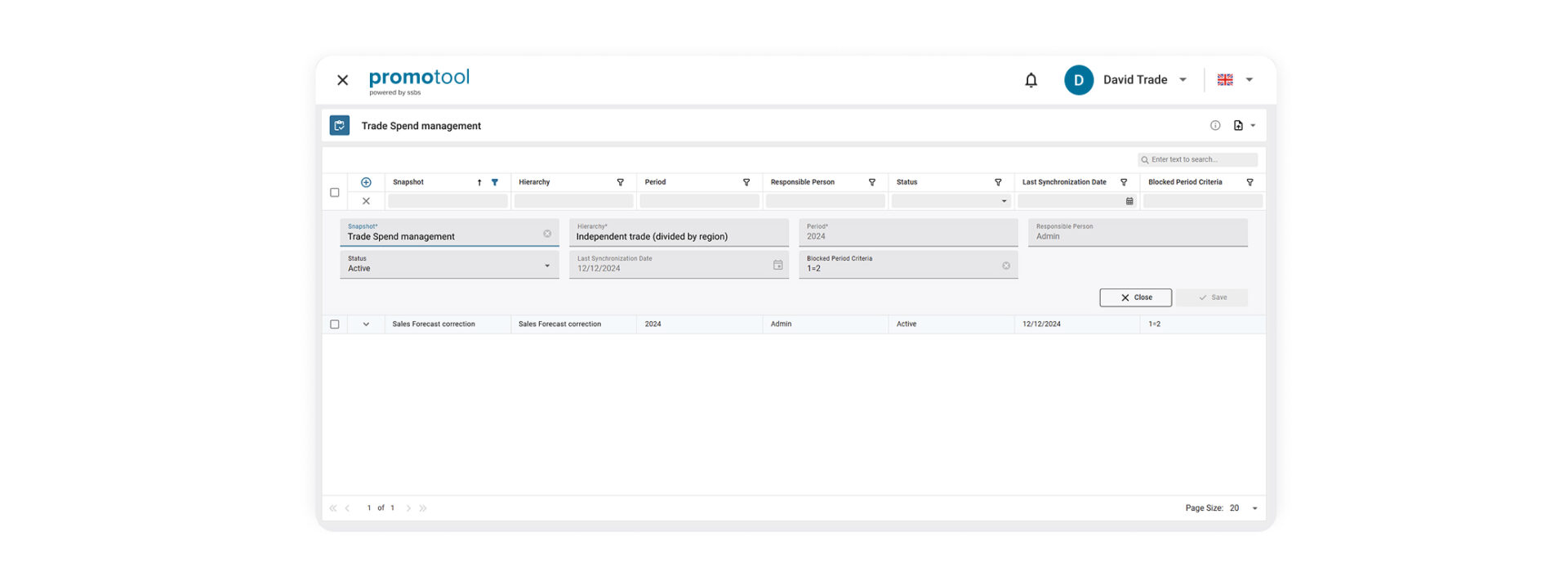
This allows the business to pinpoint issues (whether linked to specific regions, channels, or sales teams) and respond accordingly.
Operational Control
Another story, but from a different client.
A global poultry producer and exporter works across both MT and GT. The company faced a very practical challenge: in their general trade network of around 1,200 outlets, many small stores had “flexible” opening hours in reality (despite having fixed schedules on paper).
For fresh poultry products, this created a serious risk. If a store is closed or opens late, products with a short shelf life may not be delivered or sold on time.
To address this, the company had to be creative. They introduced a simple but effective control mechanism.
Each retailer uses a payment terminal and a bank card for supplier settlements. At the start and end of the working day, store staff generate a zero-value receipt using their card. These receipts act as proof of opening and closing times. They are photographed, and our Shelf Image Recognition solution extracts the data and sends it directly into the SFA system.
As a result, the company gains reliable visibility into actual store operating hours without investing in complex infrastructure.
the client shared.
This shows that, in traditional trade, operational control isn’t built into the system; it has to be created. Even basic factors like store opening hours can’t be taken for granted and require additional validation.
When to Use Modern Trade vs. General Trade
For most FMCG companies, it isn’t really a choice – the market defines the mix. Both general and modern trade channels play different roles, and ignoring one usually means leaving either reach or control on the table.
To make this more practical, let’s imagine a new coffee brand entering a market where both channels are strong.
Retail chains are well-developed and accessible in most cities. At the same time, consumers are deeply loyal to neighborhood corner shops, where they buy coffee as part of their daily routine.
From the start, the brand understands one thing: it won’t win by choosing a channel – it has to play both.
So, how do they split focus, FMCG products, and tools between them?
When Modern Trade Works Best
The brand starts by partnering with major national retail chains to build visibility.
They secure listings in key supermarkets and focus on a limited, well-defined assortment – best-selling SKUs, clear packaging, and strong shelf presence.
But getting on the shelf is only the beginning. To stay there, the brand needs to prove performance and show flexibility in negotiations. Retailers expect regular promotions, participation in campaigns, and a willingness to invest in visibility.
So, promotions are not occasional and are planned as part of the strategy: discounts, bundles, and in-store displays aligned with the retailer’s calendar.
To manage this, the brand relies on structured tools – retail data, sell-out reports, and TPM systems – to track how each promotion performs and whether the investment pays off.
Execution here is predictable. With SFA, TPM, and Image Recognition, they can quickly see which SKUs are moving, how promotions perform, and where to adjust.
When General Trade Is Essential
Once the brand has a baseline, it pushes into GT to build real coverage.
Distribution expands into hundreds, eventually thousands, of small outlets: corner shops, kiosks, independent retailers. The assortment becomes more flexible. Smaller pack sizes, faster-moving SKUs, and price-sensitive options take priority.
But execution changes completely.
Sales reps play a key role: visiting stores, negotiating placement, and ensuring availability. The brand uses SFA tools to track visits and orders, but quickly realizes that data alone isn’t enough.
Each store operates differently. Pricing, display, and even product availability can vary from what was agreed. So, the team spends time verifying execution in the field, not just recording it.
To reduce this complexity, the brand introduces a B2B eCommerce platform. Retailers can place orders directly, see their individually negotiated prices, and operate within their specific commercial terms. This helps automate routine ordering and brings more structure to fragmented data.
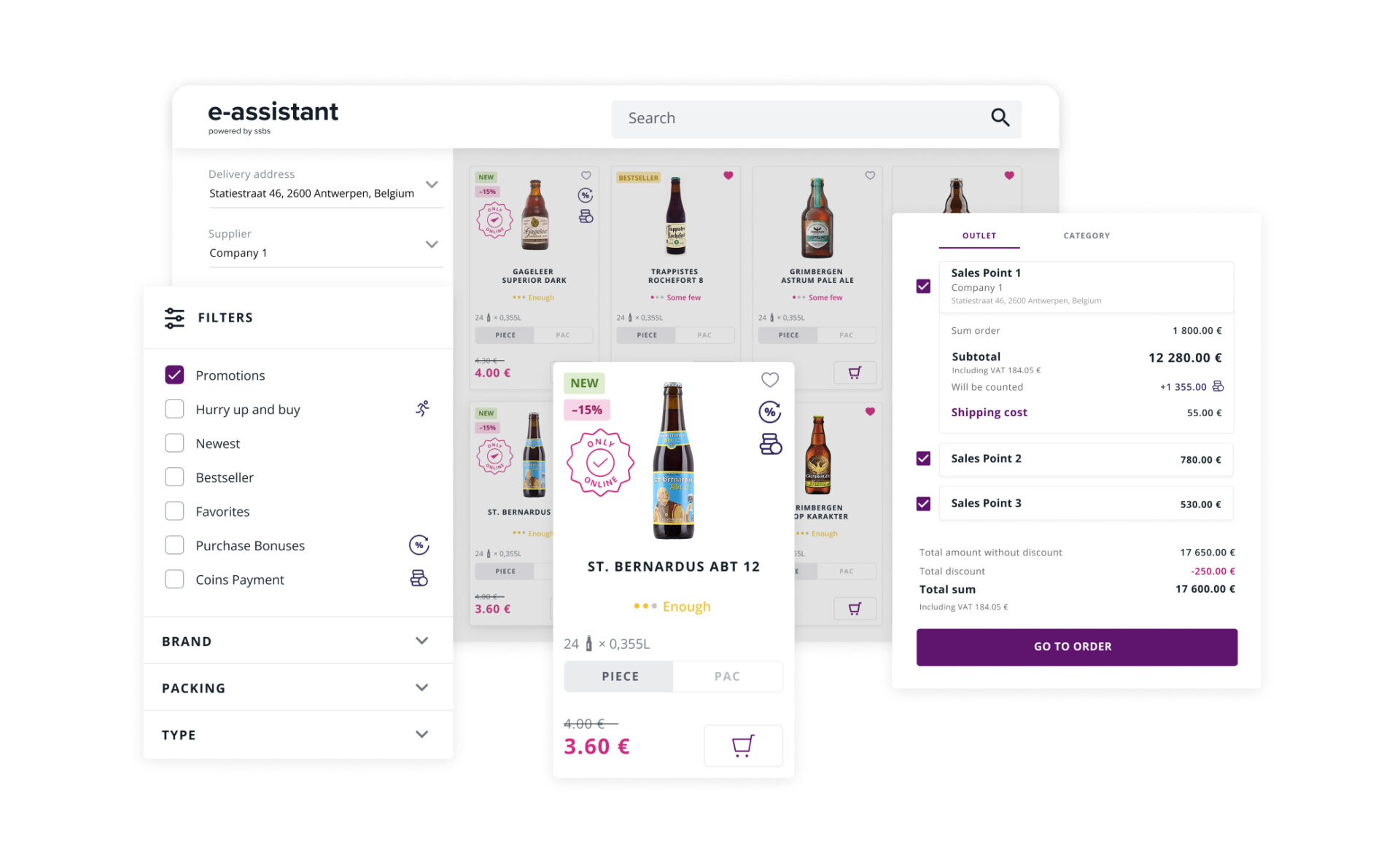
However, even with digital tools in place, execution still requires validation. What is agreed digitally does not always match what happens in-store.
GT becomes the engine of reach: not perfectly controlled, but critical for volume and everyday presence.
Why Most FMCG Brands Need Both
Over time, the brand starts to split roles deliberately:
- Modern trade for launching new SKUs, running structured promotions, and building brand image
- General trade for expanding distribution, driving frequency, and capturing impulse purchases
This example is simplified, but the pattern holds across most FMCG categories in markets where both channels are well developed.
Modern trade and general trade don’t compete; they complement each other. One provides structure, visibility, and control. The other delivers reach, frequency, and real market coverage.
How Brands Lose Control Over Communication to GT Retailers
In GT, communication is rarely centralized. It flows through sales reps, distributors, and informal conversations.
B2B eCommerce platforms are designed to bring structure and consistency to GT – standardizing pricing, promotions, and ordering across thousands of outlets.
However, adoption doesn’t happen instantly.
Sales reps are often used to direct person-to-person communication, and retailers are accustomed to placing orders through familiar contacts. For many, switching to a platform requires a change in routine.
Retailers, in particular, may hesitate if they work with multiple brands – each with its own system. Managing multiple platforms can feel more complex than simply contacting a sales rep.
But this is exactly where a well-implemented B2B platform proves its value. By centralizing communication, it ensures that each retailer sees their exact terms – correct pricing, agreed promotions, and available assortment.
Over time, as more interactions move through the platform, communication becomes more consistent and transparent. Sales reps shift from being order-takers to relationship managers. Routine processes, like ordering and price checks, are handled digitally.
How Technology Closes the General Trade Data Gap
There is plenty of guidance on how to build technical infrastructure around well-established retail chains.
With GT, brands can do that too. However, they must be more creative in how they capture and structure data across thousands of independent outlets.
Here are a few solutions your business can combine to build an infrastructure that serves general trade execution.
Image Recognition (IR) for Shelf Audits and Many More
As you can see from the case of our client mentioned earlier, the scope of the FMCG Image Recognition application extends far beyond traditional shelf audits.

In GT, where structured data is limited, images are among the most reliable sources of truth. A simple photo (whether of a shelf, a receipt, or a store environment) can be converted into actionable data.
Here are a few ideas of what IR can do for traditional trade:
- Shelf presence & availability – Verify that products are actually on the shelf and detect out-of-stocks early.
- Share of shelf & competitor visibility – Measure how much space the brand occupies compared to competitors.
- Price monitoring – Capture real shelf prices and compare them with agreed or recommended levels.
- Promotion & POSM execution – Check whether displays, discounts, and materials are implemented as planned. Works even for inventory management.
- Assortment compliance – Ensure each store carries the agreed SKU mix, not just a partial selection.
- Operational & activity verification – Use images (e.g., receipts, store photos) to confirm store activity and execution in the field.
Trade Promotion Management (TPM) in General Trade
Traditionally, TPM systems are used to gather promo data and keep track of current and past promotions. Just promos, not the trade spend as a whole.
They have calendars to plan activities, allocate budgets, and document agreed conditions. Such solutions are most commonly used for modern trade outlets.
PromoTool – a TPM/TPO software from SSBS – went much further. Our system not only handles trade spend but also includes a dedicated trade spend module for GT.
This way, our clients have all of their trade agreements centralized. They track planned vs. actual spend, and the system highlights where promotions or other activities are not delivering expected results.
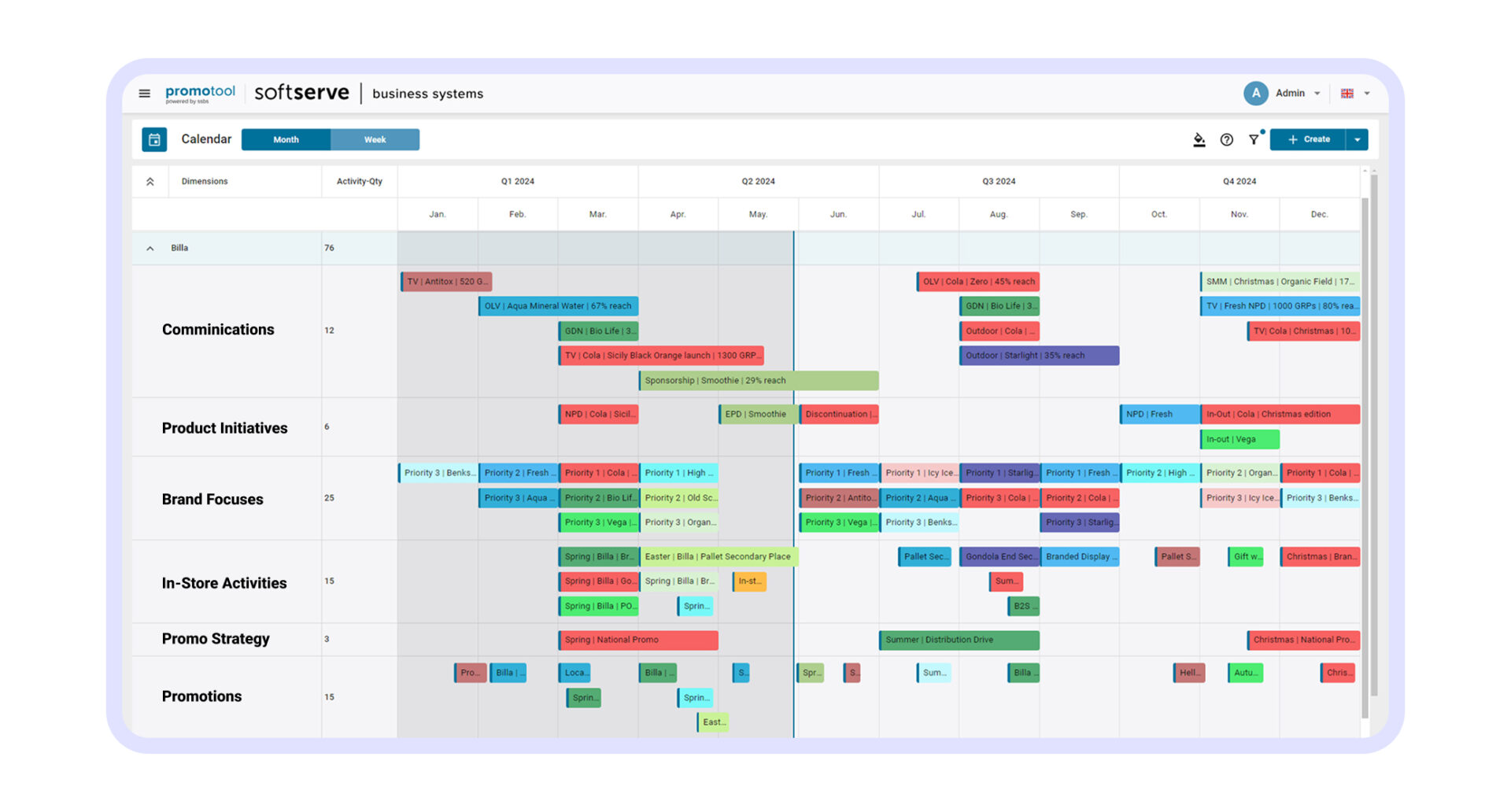
Instead of losing visibility across thousands of small deals, brands can see patterns: which channels, regions, or sales teams drive profitable outcomes, and where budgets are leaking.
To sum up, with TPM, brands can:
- Centralize and standardize all trade agreements across outlets
- Track actual spend against planned budgets in real time
- Identify unprofitable promotions and reduce leakage
- Compare performance across regions, channels, and sales teams
- Link trade spend to results, not just activity
B2B eCommerce as a Direct Channel to GT Retailers
While IR and TPM help monitor and analyze execution, B2B eCommerce addresses the starting point: how orders, pricing, and terms are communicated and applied.
By creating a direct, structured interface between the brand and each retailer, it reduces reliance on fragmented communication and ensures that conditions are accessed in their correct form. Over time, this leads to more consistent execution and cleaner, transaction-based data.
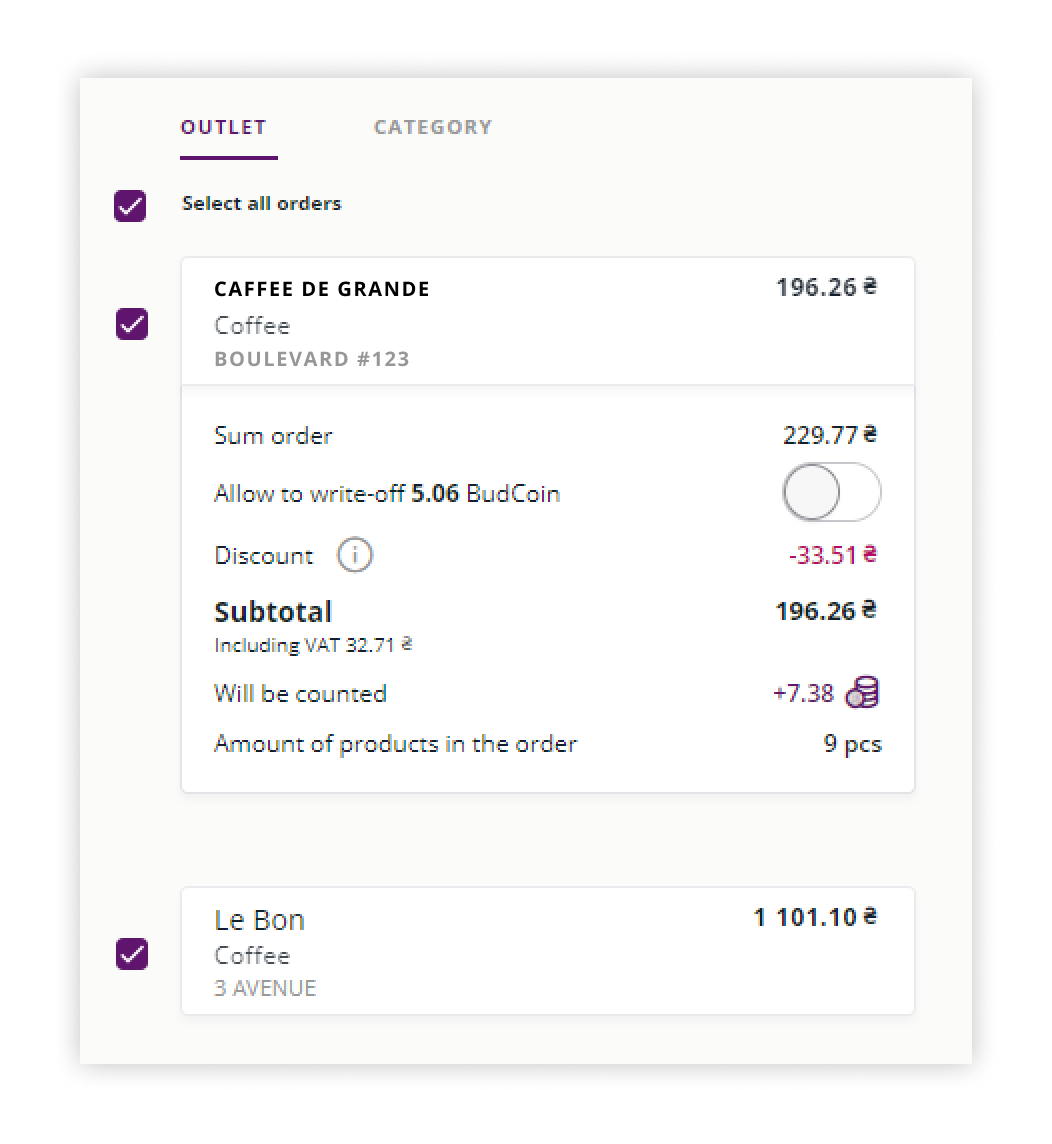
With B2B eCommerce, brands can:
- Ensure each retailer sees their exact pricing, promotions, and assortment
- Standardize ordering while keeping individual commercial terms
- Reduce dependency on manual communication and interpretation
- Capture real-time, transaction-level data
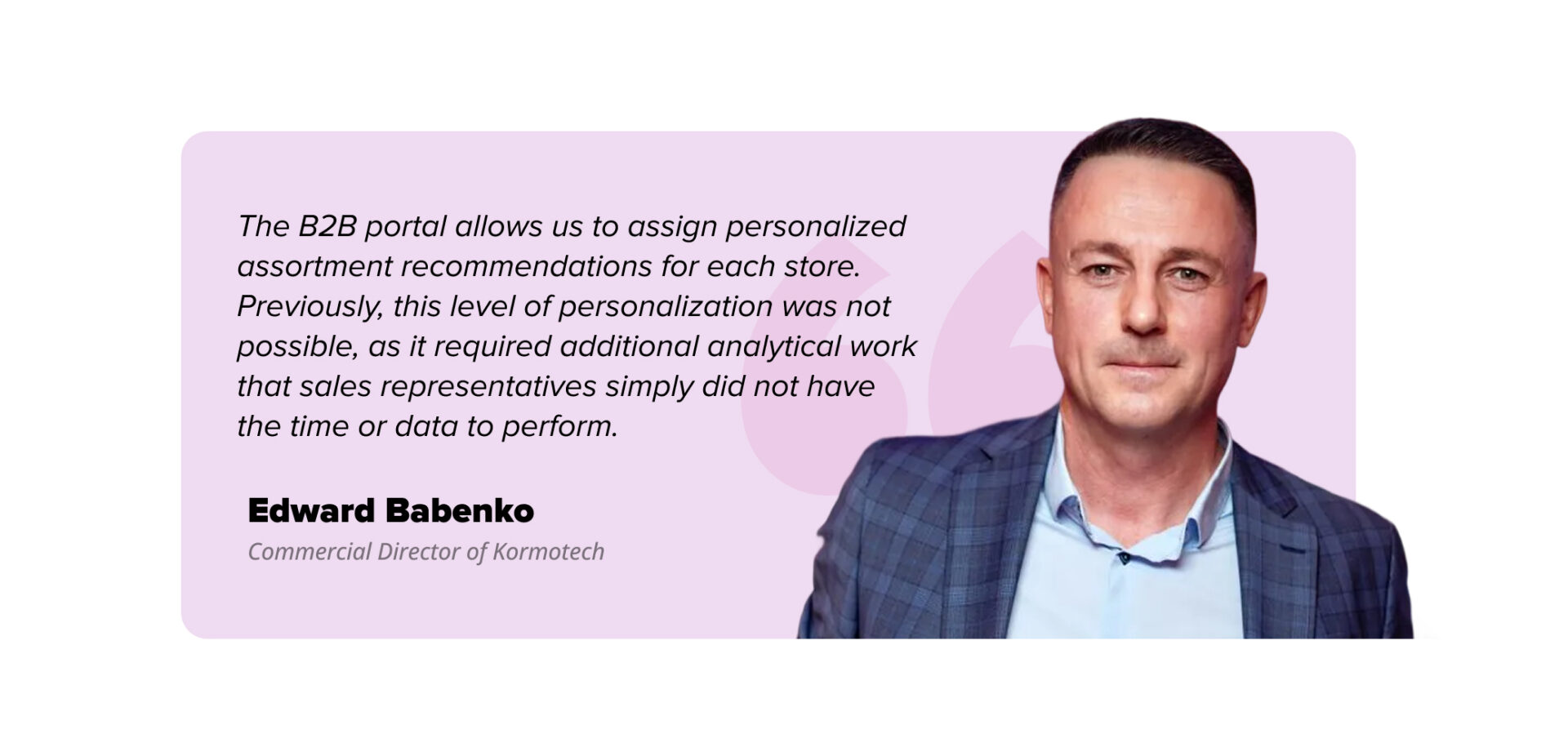
- AI in B2B eCommerce suggests relevant products and promotions directly in the ordering flow, helping customers add more to their basket
- Build a more consistent and scalable execution model in GT
Conclusion
The difference between modern trade and general trade lies in how much of your business is actually visible and under control.
In MT, this is built into the system. In GT, it has to be created.
With the right tech infrastructure, businesses all over the world have already turned general trade from a blind spot into a manageable, data-driven channel – without losing the reach that makes it so valuable.