In the business world, the terms CPG and FMCG are often used interchangeably. However, when it comes to sales, marketing, and business strategy, even small differences can have a significant impact — especially when working with international partners. Speaking the same industry language is crucial, but as always, there are nuances. So, how much does this distinction really matter?
The key difference in FMCG vs CPG lies in the details. Depending on where you are in the world, industry preferences, and even company culture, people may lean toward one term over the other. More importantly, consumer behavior and sales velocity define their unique characteristics.
CPG or FMCG? Regional Preferences
In North America, the term Consumer Packaged Goods (CPG) is more commonly used. Major American and Canadian brands like Procter & Gamble, Unilever (U.S), Coca-Cola, and PepsiCo refer to their products this way. Meanwhile, Fast-Moving Consumer Goods (FMCG) is the preferred term across Europe, Asia, and the Middle East. Companies like Nestlé, Reckitt, Danone, and Henkel prefer this term in their strategic documents and discussions.
Understanding CPG vs FMCG as a concept can help to navigate conversations with international partners and refine your sales strategy. However, what truly matters is how consumers perceive these categories and how that influences sales models.
What is CPG?
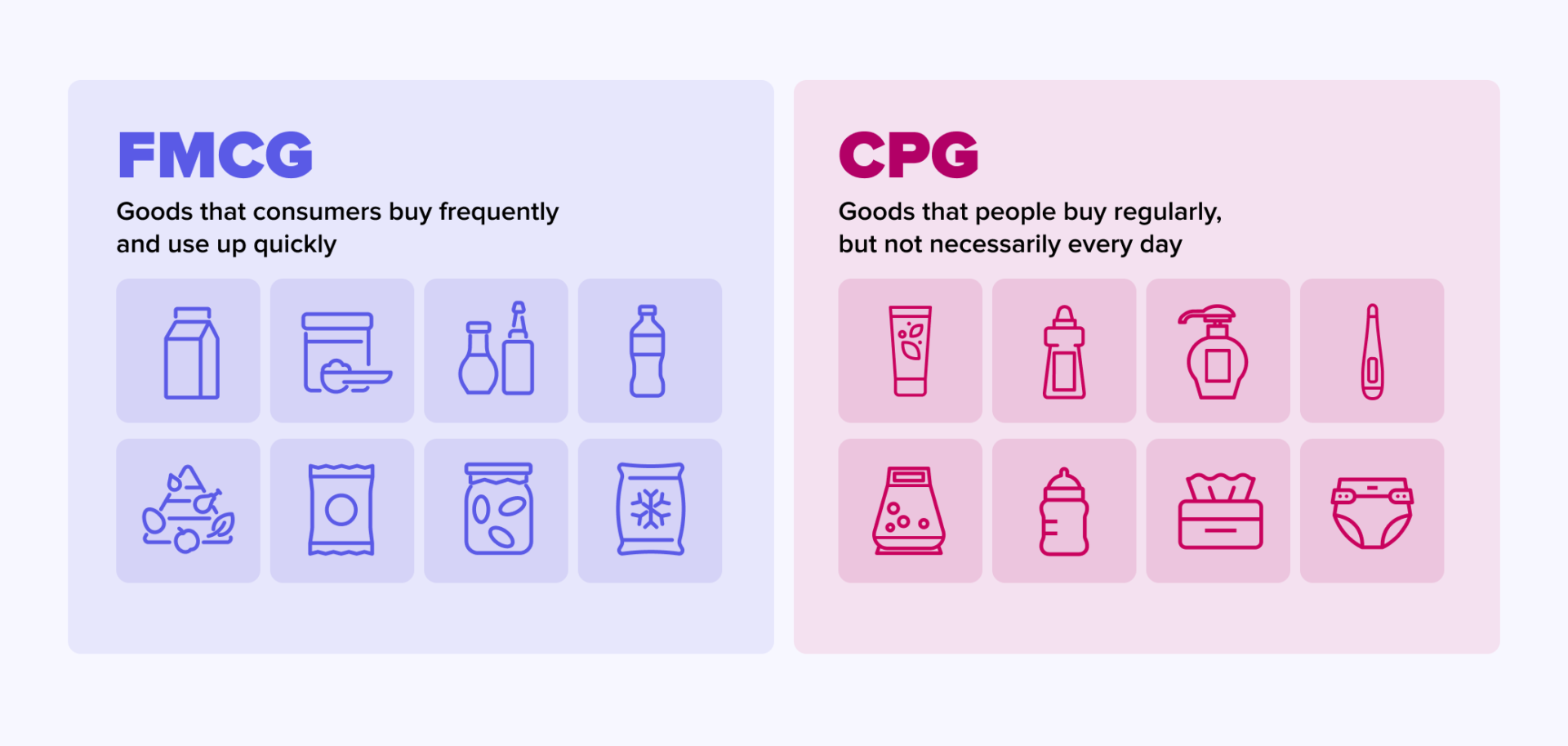
Think of Consumer Packaged Goods (CPG) as products people buy regularly, though not necessarily every day. These items generally have a longer shelf life than FMCG products. Examples include skincare products, medications, clothing, household cleaning supplies, food and beverages for special occasions, and more. They typically come in convenient packaging and last longer than FMCG items.
What is FMCG?
On the other hand, Fast-Moving Consumer Goods (FMCG) are products that consumers buy frequently and use up quickly. This category includes food, beverages, toiletries, and other everyday essentials. These products have a very high turnover rate, which means retailers need to constantly restock them to keep up with demand. Their rapid consumption cycle makes pricing and availability highly competitive.
Difference Between CPG and FMCG in Sales Cycles
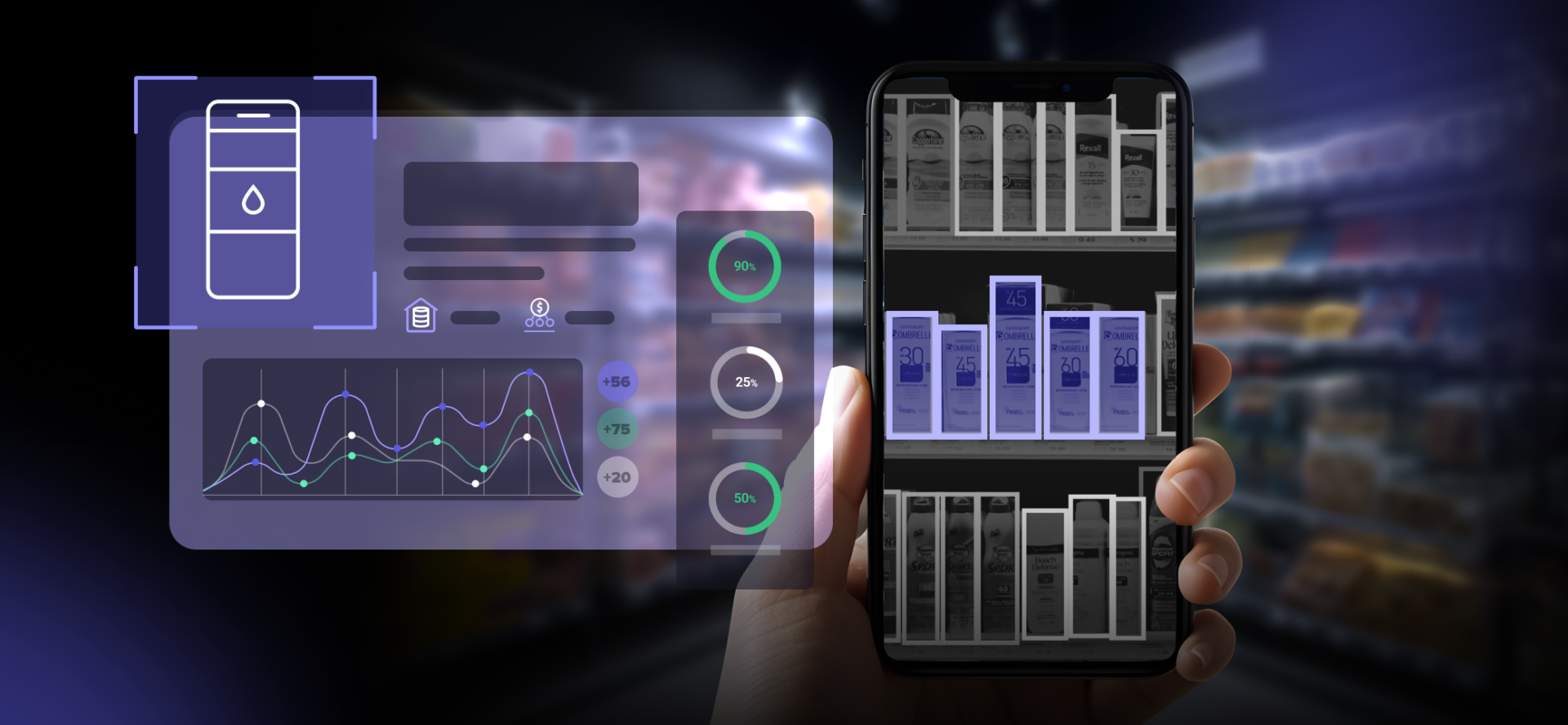
When it comes to sales cycles, the FMCG industry is all about speed. People buy milk, bread, and snacks weekly—sometimes even daily. The high turnover rate of these products requires retailers to constantly restock shelves, monitor expiration dates, track price changes, and analyze competitors. FMCG Image Recognition can address this issue, helping brands enhance retail execution through accurate real-time data collection.
Products in the CPG sector sell at a slower pace, even though they are purchased regularly. Sure, you might buy shampoo or laundry detergent often, but you’re not picking up a new bottle every few days, and they last longer. This means CPG companies focus more on building brand loyalty and ensuring their products maintain shelf space in a highly competitive market.
Both types of organizations require an effective and agile field team to ensure a seamless sales cycle and successful strategy execution. This is where Sales Force Automation for FMCG, enhanced with dynamic workflows, can play a crucial role. It enables teams to automate visits and sales processes while prioritizing the most critical activities, delivering the greatest impact for each store on any given day.
Learn more about the different areas of FMCG automation to optimize your sales processes and drive efficiency.
FMCG vs CPG: Differences in Consumer Behavior
When buying FMCG products, consumers often make impulse purchases. For example, grabbing a candy bar or a soda at checkout is a typical case of unplanned spending driven by immediate cravings. Consumers don’t spend much time thinking about these purchases, so eye-catching packaging and promotions are highly effective.
With CPG products, it’s a different story. These purchases involve a more deliberate decision-making process. Consumers analyze ingredients, compare prices, and evaluate brands before buying skincare products, detergents, or personal care items. Factors like brand reputation, product reviews, and packaging design significantly influence buying choices.
Difference Between FMCG and CPG in Supply Chain and Distribution
In the supply chain, FMCG products require constant replenishment. Since they sell quickly, stores must restock shelves with high frequency, and suppliers need to keep operations running smoothly. For manufacturers, supply chain efficiency is a top priority.
For CPG products, the supply chain isn’t quite as hectic. Since these items last longer, stores don’t need to refresh their inventory as often. However, understanding retail analytics is crucial — misjudging which products sell fastest in key markets can result in lost shelf space and revenue.
Difference Between FMCG and CPG in Marketing Strategies
For FMCG products, the focus is on high-visibility marketing, bulk discounts, and strategic placement in high-traffic areas like checkout lanes. For example, chips and chewing gum often benefit from strategic placement. The rise of B2B FMCG eCommerce, especially the emergence of the CPG B2B marketplace, also plays a vital role in modern FMCG marketing, allowing brands to deliver additional value for both Point of Sales and end-consumers, optimize marketing efforts and enable an omnichannel approach.
How about CPG? Here, branding, quality, and trust are key. Consumers want to feel confident in their purchase, so they read reviews, compare prices, and look for recommendations before choosing a new skincare product or detergent. For companies in this sector, investing in CPG software solutions helps automate processes, reduce costs, and drive growth through better data collection, accurate reporting, and deeper consumer insights.
CPG vs FMCG: Which Is More Profitable?
When evaluating CPG vs FMCG profitability, several factors come into play, including sales volume, demand, turnover rate, and pricing strategy. But the main question is: Which category makes more money? The answer depends on perspective. Here’s a side-by-side comparison:
| Factor | FMCG | CPG |
| Sales Volume | Extremely High | Moderate to High |
| Turnover Rate | Very High | Moderate |
| Profit Margin | Low Per Unit | Higher Per Unit |
| Shelf Space | Frequently Replenished | Competitive |
| Consumer Loyalty | More Impulse Purchases | Stronger Brand Preference |
| Marketing Focus | Promotions & Discounts | Brand Reputation & Quality |
| Supply Chain | Constant Restocking | Steady Replenishment |
To learn about building a successful sales model for FMCG, read our guide on FMCG sales strategy.
Summary
CPG and FMCG may seem similar, but differences in sales cycles, consumer behavior, and supply chain strategies set them apart.
FMCG products are all about speed — quick sales, frequent purchases, and fast restocking. CPG products, however, focus on long-term brand loyalty, with a slower sales cycle and more consumer consideration
For businesses, understanding these differences helps refine sales strategies, optimize inventory management, and enhance marketing approaches. Whether you’re in the FMCG or CPG industry, recognizing these nuances can provide a competitive edge and drive market growth.
Finally, in North America, industry professionals typically use CPG, while internationally, FMCG is the preferred term. This distinction may not seem critical, but it’s useful to know when engaging in global business discussions. After all, a simple terminology difference can provide additional clarity or a fresh perspective, helping you navigate industry conversations with more precision and feel on familiar ground with other attendees.