67% of CEOs believe revenue management strategies are essential to financial health and growth. Yet only 33% of RGM leaders say they have all the needed tools to work effectively.
See the gap here?
Businesses usually know what to do. Providing the data, systems, and technology is where they struggle.
This article explores five core revenue growth management practices and the exact technologies that support them.
What Is Strategic Revenue Management?
Strategic revenue management isn’t the same as traditional revenue management (RM). At least in FMCG/CPG. Here, it’s basically revenue growth management (RGM).
We will start from the basics – the strategic revenue management definition.
Strategic revenue management is the practice of driving profitable growth by making better decisions across pricing, promotions, assortment, trade investments, and sales channels.
Simply selling more is not the goal here. The goal is to ensure every commercial decision contributes to stronger revenue and margins.
It sounds a lot like traditional revenue management, you might think. In theory – close enough. In practice, there’s a difference:
- “Traditional” revenue management in real life often ends up being tool‑centric (focused on price ladders, promo mechanics, or yield rules within one function).
- “Strategic” revenue management always (!) treats those same levers as part of a single integrated commercial system.
That’s why we’re talking about revenue management strategies separately from RM.
Overview of Strategic Revenue Management
A proper revenue management strategy evaluates how pricing, promotions, assortment, and trade investments affect one another and the business as a whole.
It doesn’t optimize those levers separately or treat one of them as inherently more strategic. Each area often has its own team, objectives, and KPIs. The challenge is making sure their decisions are aligned.
For example, a pricing team may push for higher margins, while a sales team negotiates deeper discounts to secure volume. Both decisions may make sense in isolation, but together they can undermine profitability.
Strategic revenue management provides a common framework for evaluating these trade-offs and aligning all commercial activities toward a shared goal.
Why Strategic Revenue Management Matters
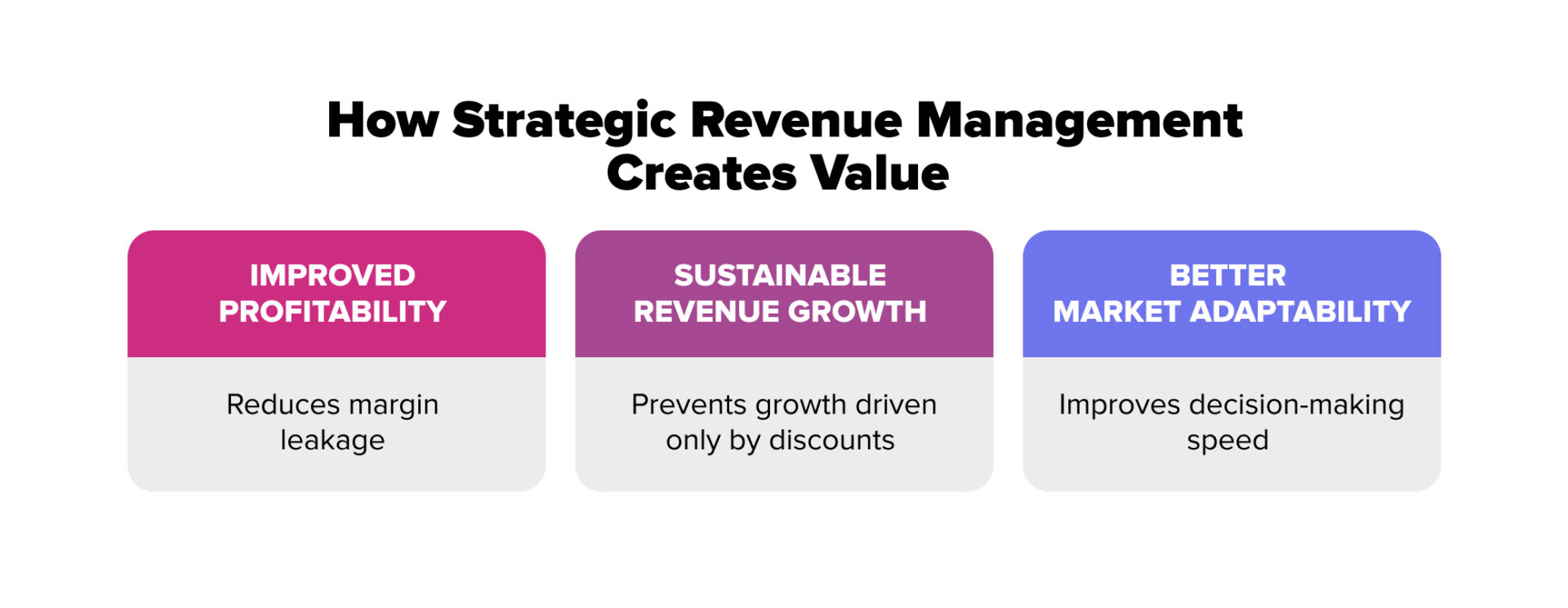
Improved Profitability
Effective strategies of revenue management shift focus from volume to margin per sale. According to NielsenIQ, a significant share of FMCG trade investment is lost. That’s a structural problem. A strategy alone can’t fix it without the execution infrastructure to catch it.
Sustainable Revenue Growth
Short-term volume gains from heavy promotions aren’t true growth if shoppers only buy on discount.
Strategic revenue management helps protect pricing and prevents decisions that boost one retailer’s sales while damaging profitability elsewhere.
Better Market Adaptability
Data analytics gives brands a real-time view of commercial performance. When insights flow across planning, field execution, and trade investment, teams can identify market shifts sooner and act before opportunities are lost.
Brands running on monthly aggregated reports are often responding to a reality that’s already two to three weeks old.
5 Best Practices for Strategic Revenue Management
| Strategic Revenue Management Objectives: Key Practices | |
| Best Practice | What It Means |
| Build a Data-Driven Revenue Management Strategy | Connect commercial data across systems so decisions are based on current performance, not assumptions |
| Improve Demand Forecasting and Market Analysis | Use real sales and market data to more accurately predict demand and react to changes faster |
| Segment Customers, Products, and Channels | Tailor pricing, assortment, and promotions to the needs and profitability of different customer groups |
| Optimize Pricing with Value, Demand, and Profitability in Mind | Set and adjust prices based on customer value, market demand, and margin impact |
| Establish Pricing Governance and Continuous Optimization | Monitor pricing and promotions continuously to enforce strategy and improve results over time |
1. Build a Data-Driven Revenue Management Strategy
A data-driven revenue management strategy means a team sees real-time market conditions while there’s still time to act.
Too often, trade spend sits in one system, sales data in another, and field execution data somewhere else. As a result, teams review performance weeks later and discover that a promotion or trade agreement has been losing money all along.
When these data sources are connected, managers can spot issues as they emerge and adjust before losses accumulate.
What solutions help here
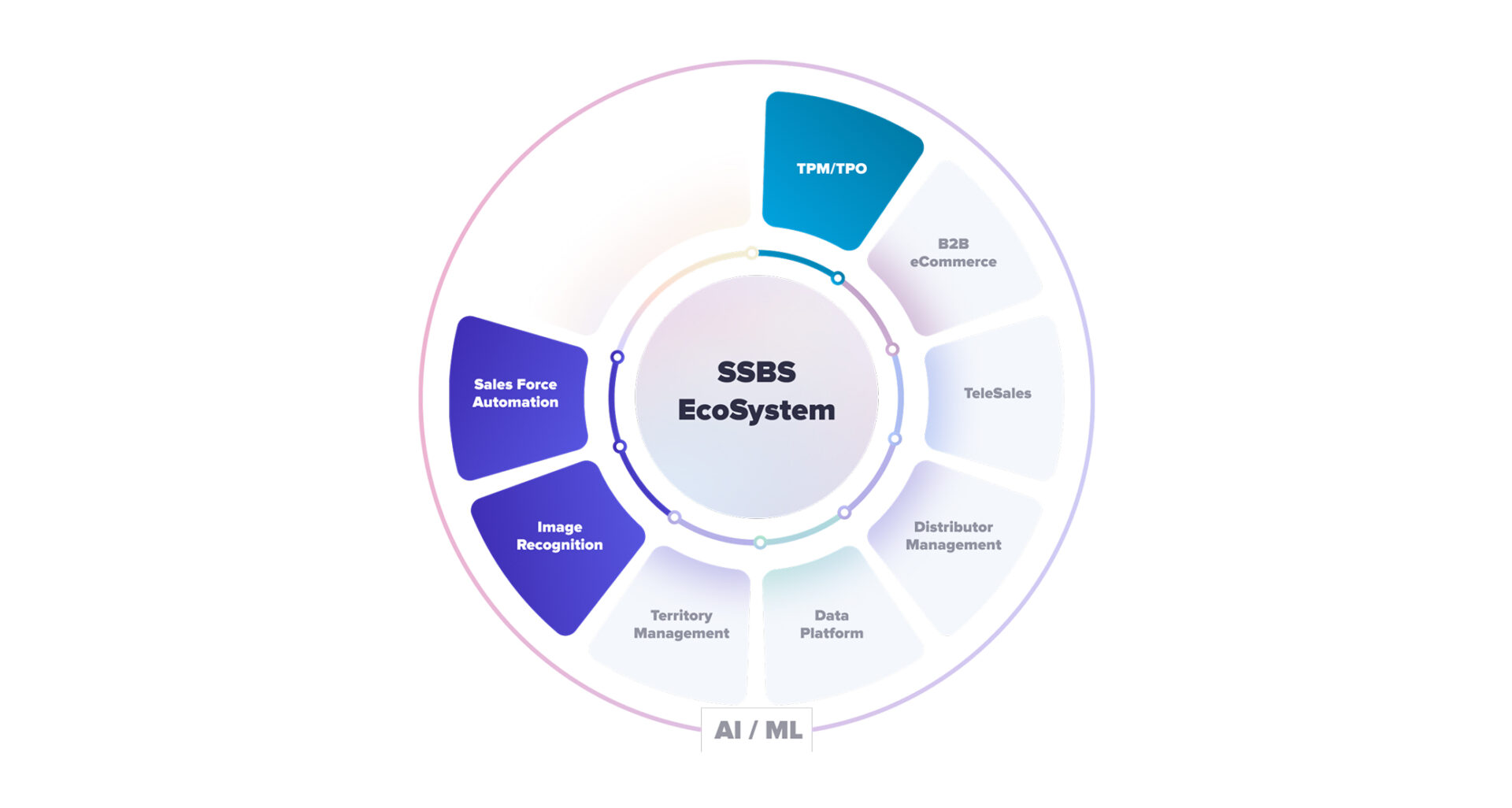
The SSBS ecosystem is built around this problem.
SFA (SalesWorks), Image Recognition, PromoTool (TPM/TPO), B2B eCommerce, and DMS share data natively, not through fragile custom integrations.
One of the examples of revenue management in action from our client work involved TPM. Here’s how it was.
An SSBS client, a global confectionery brand selling through tens of thousands of small retailers, previously reviewed trade agreements manually. By the time an unprofitable promotion was identified, the money had already been spent.
After implementing PromoTool, our Trade Promotion Management software with a special trade-spend module, the company now tracks promotion performance by outlet in near real time. Moreover, it receives automatic alerts when agreements start losing money.
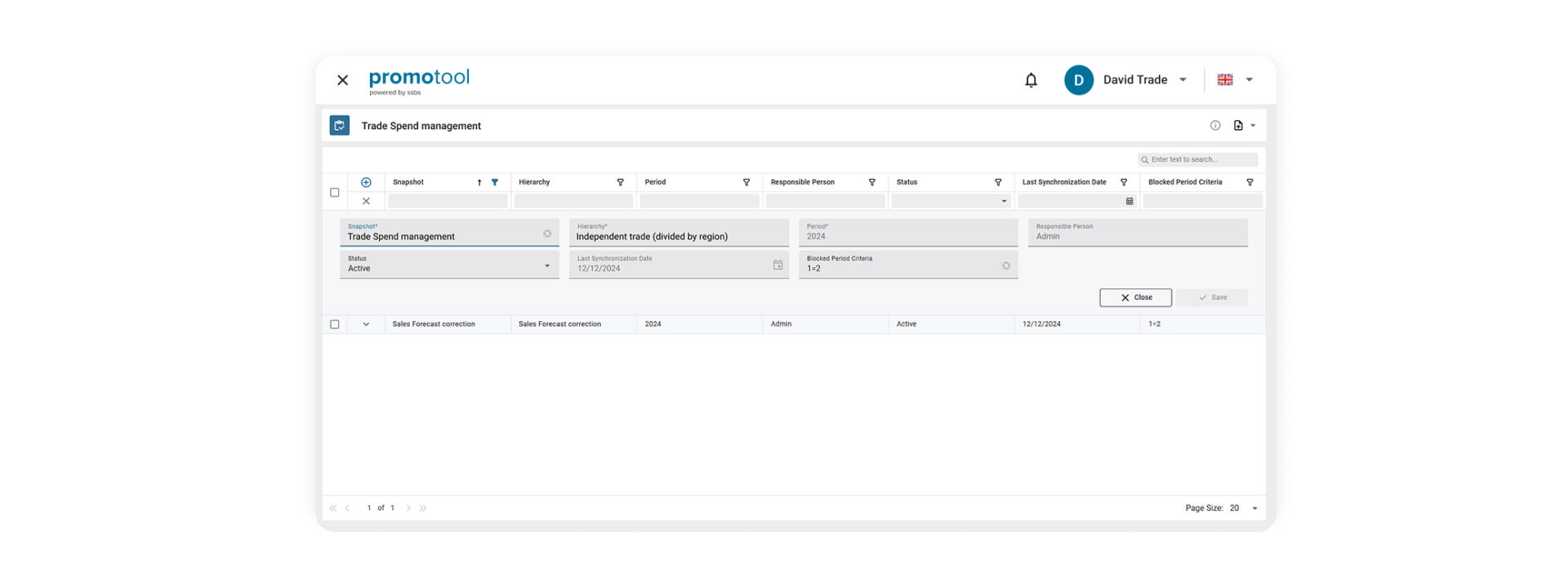
The result: instead of discovering problems during a quarterly review, teams could fix them while the promotion was still running.
Quick tip:
Before evaluating any individual tool, map where the biggest data gaps are between your current systems.
The highest-ROI integration closes the most expensive blind spot, not the one that adds the most features.
2. Improve Demand Forecasting and Market Analysis
Demand forecasting is only as accurate as the sell-out data feeding it.
Most FMCG teams plan on sell-in data: what went into the trade. That’s a proxy for actual market demand. The cleaner signal is secondary sales, which retailers/distributors actually sold through to end customers.
What solutions help here
DMS provides a clear view of what is actually leaving distributor warehouses and reaching customers. Instead of forecasting based on what was shipped into the channel weeks ago, teams can see what is selling now and adjust plans accordingly.
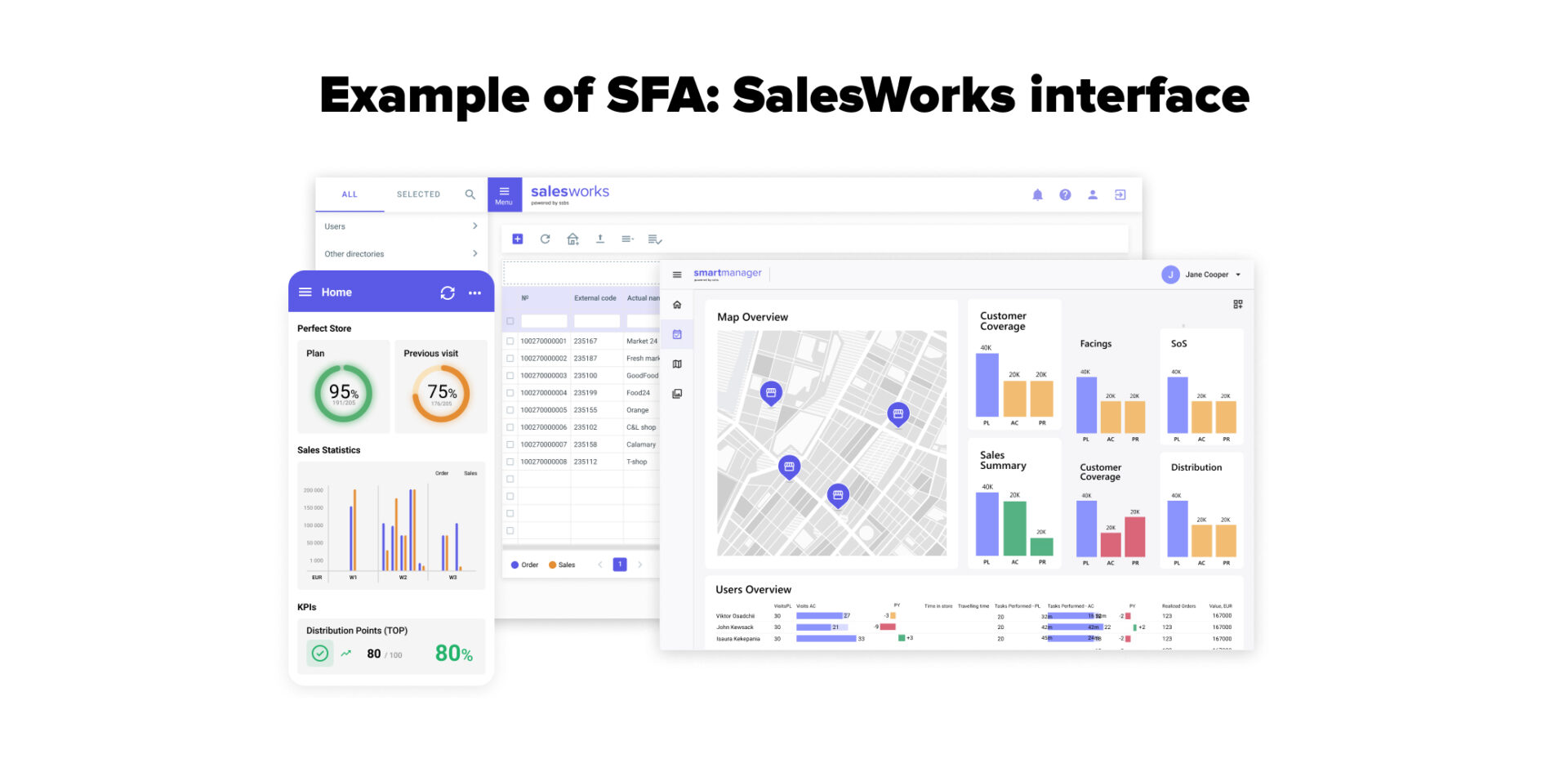
SFA adds context behind the numbers. While visiting stores, field reps see competitor promotions, fast-moving SKUs, and changing buying patterns.
3. Segment Customers, Products, and Channels
Not every customer, product, or channel contributes equally to growth and profitability. A convenience store, a supermarket chain, and a wholesaler often require different assortments, pricing, and promotional strategies.
The challenge is execution. An outlet may be assigned to a specific segment, but that doesn’t guarantee the right products are on the shelf or that pricing is being applied correctly.
What solutions help here
SFA provides outlet-level data on visits, orders, and competitor activity, helping brands define customer segments and verify their execution in the field.
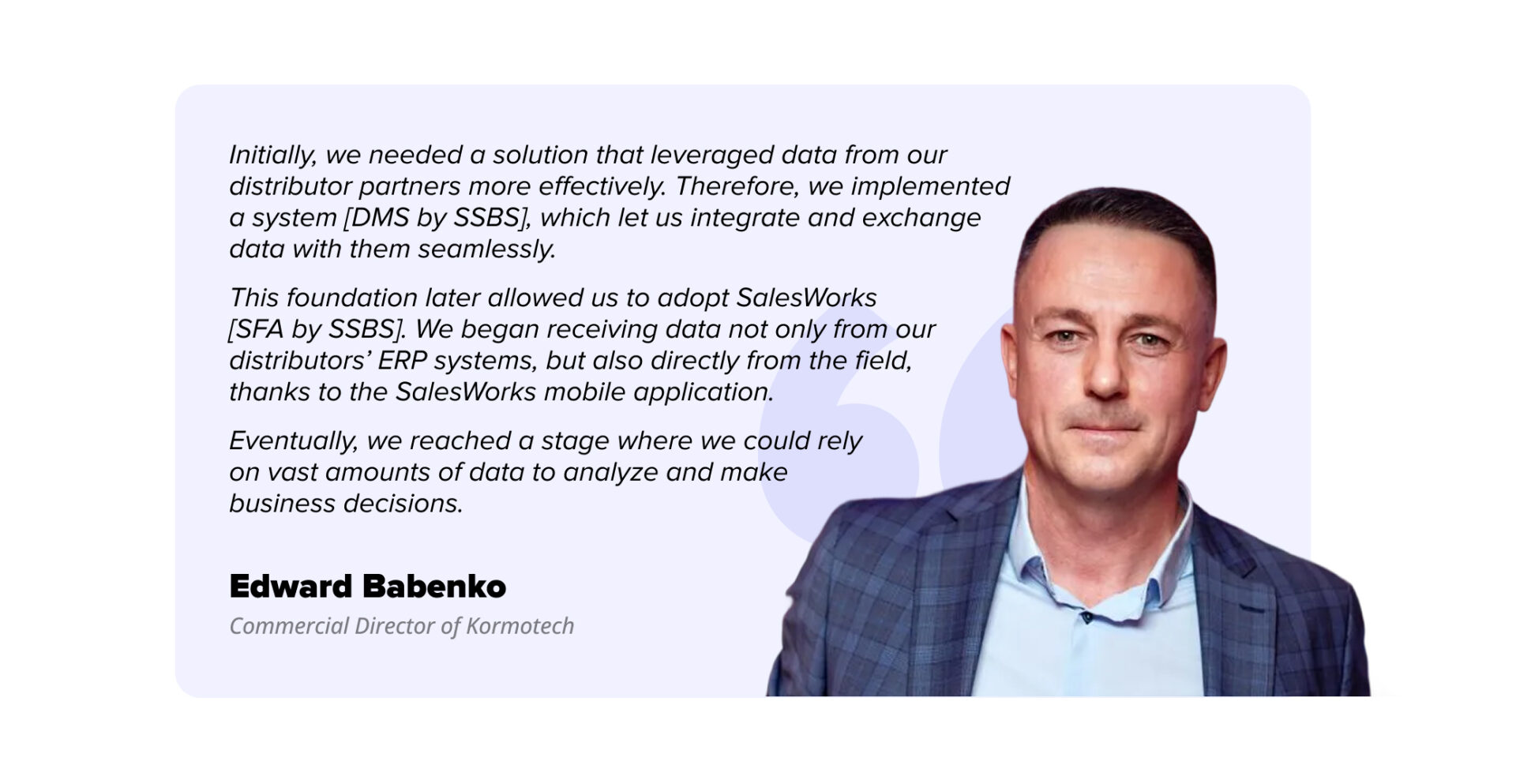
One example comes from pet food producer Kormotech.
Analysis of SalesWorks data revealed that sales reps were spending most of their store visits (75%) on routine order-taking. With very little time left for merchandising, upselling, or customer engagement.
Based on these insights, the company made significant changes to its revenue management strategy. It shifted a large share of repeat ordering to a B2B eCommerce channel. This way, field teams gained more time to focus on higher-value activities in stores.
B2B eCommerce is one of the best revenue management software solutions to turn segmentation into action. Different customer groups can receive tailored catalogs, pricing, and promotions. Meanwhile, every transaction provides data on how those segments perform.
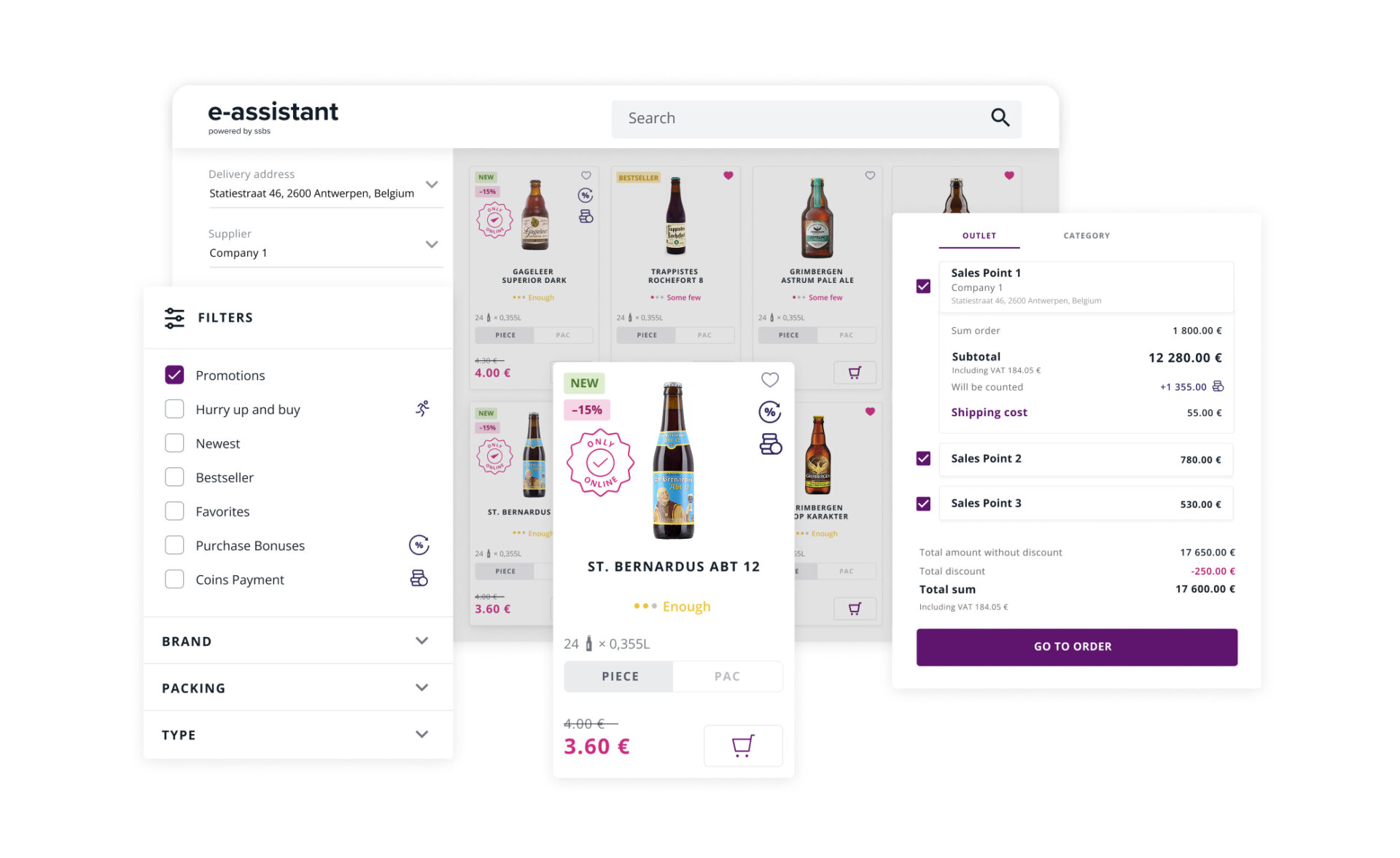
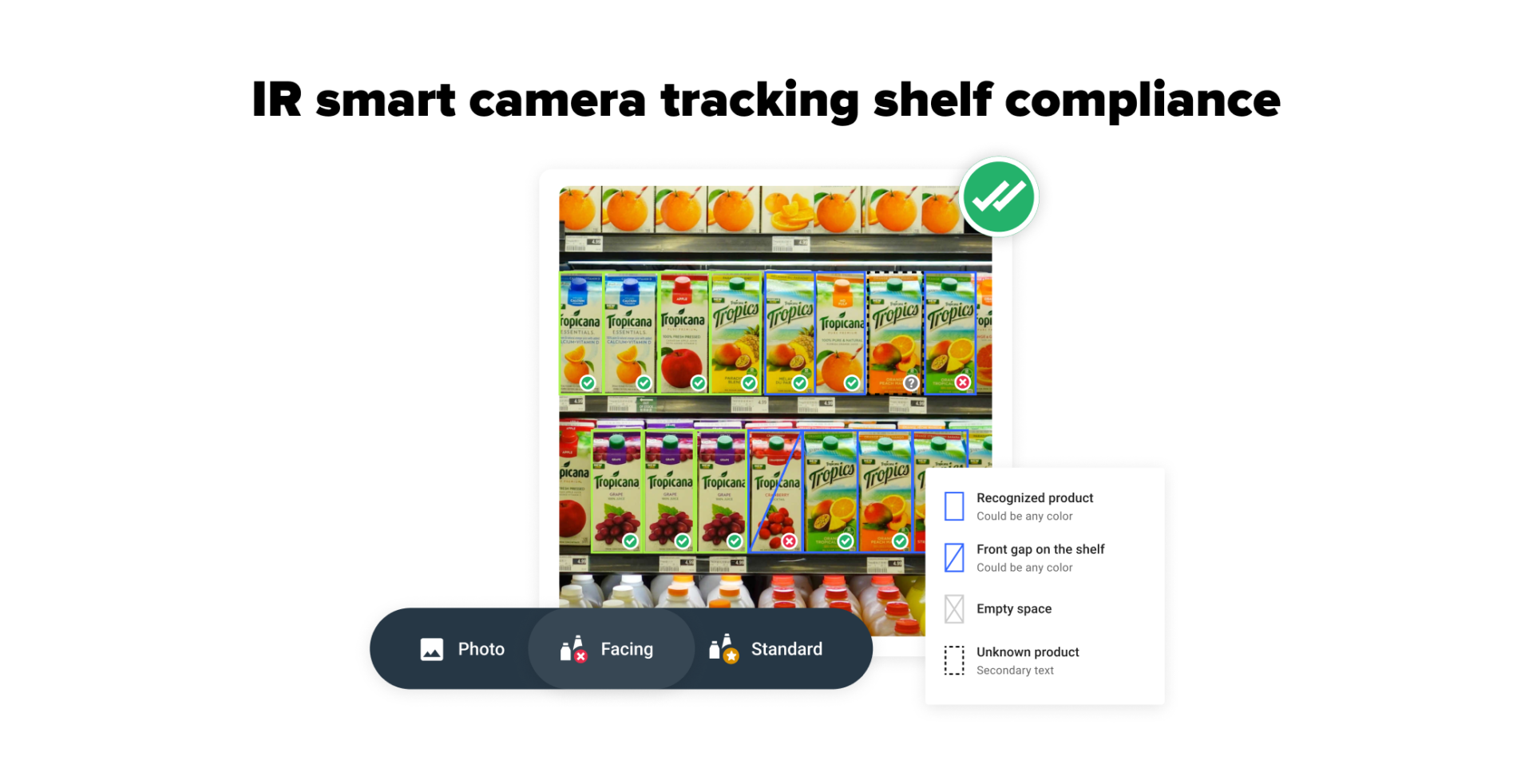
Image Recognition verifies what is happening at the shelf.
When Reckitt deployed SSBS’s Image Recognition across multiple markets, field reps spent 30% less time on shelf audits and more time correcting issues such as missing facings, pricing gaps, and planogram deviations.
The result: segmentation becomes a measurable process that can be monitored and improved in real time.
4. Optimize Pricing with Value, Demand, and Profitability in Mind
Effective pricing, as one of the factors of revenue management, depends on more than setting the right price. You also need to ensure that pricing is executed consistently across channels and stores.
Many brands define clear pricing strategies, but execution often falls short. A premium product may be priced 15% above a standard alternative, yet poor shelf placement or missing signage can undermine that price premium and diminish its impact.
What solutions help here
TPM/TPO helps you evaluate pricing and promotion scenarios before launch. You can compare different discount levels and promotion lengths to understand their impact on volume, margin, and ROI.
For example, a planned 25% discount over four weeks may generate similar sales growth as a 15% discount over two weeks, but at a much lower cost.
SSBS has made the evaluation process faster and easier by integrating AI agents into PromoTool.
Instead of navigating multiple reports and dashboards, users can ask questions in plain language through a chat-style interface.
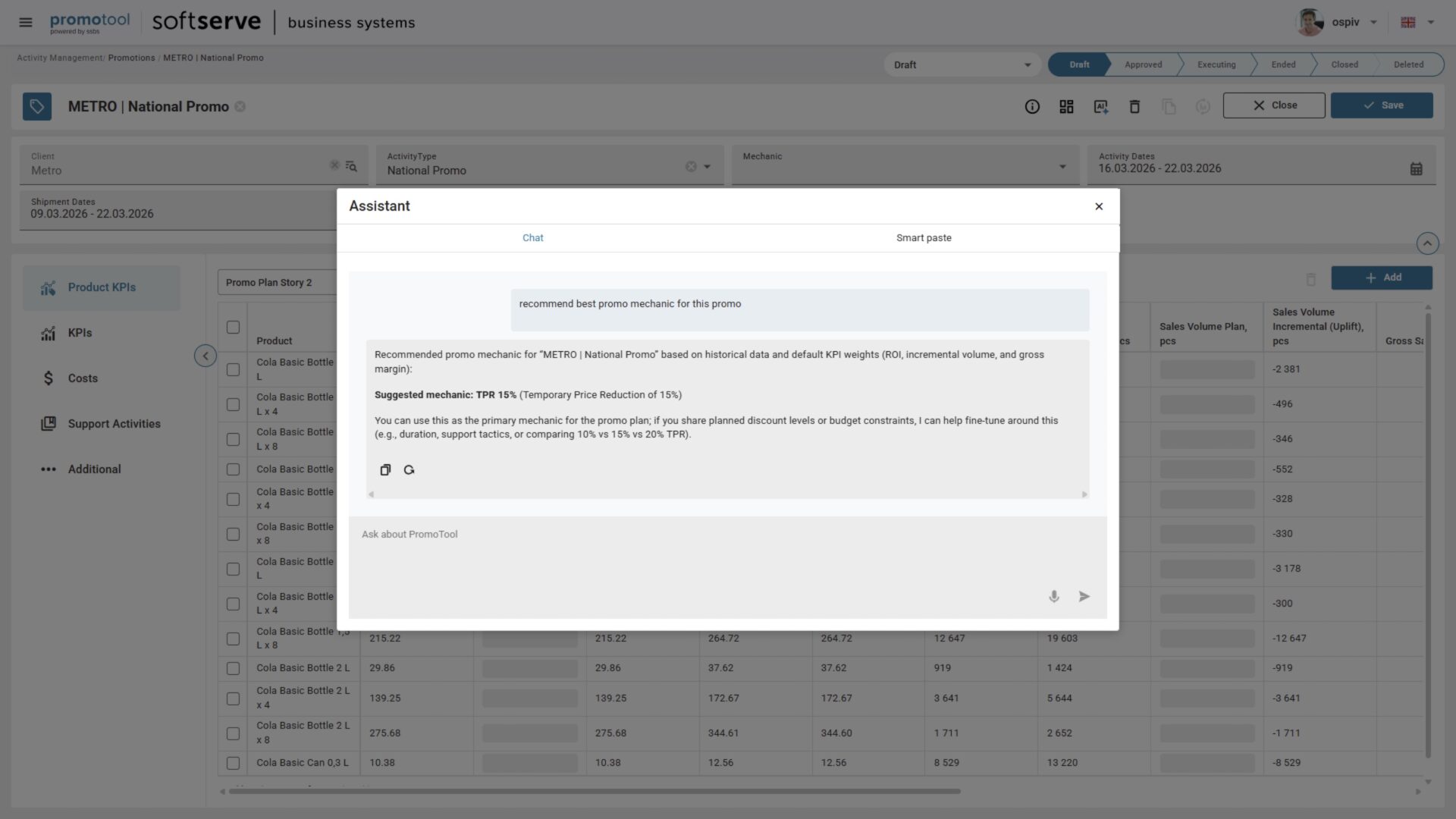
For example, users can ask:
- Which promotion delivered the highest ROI last quarter?
- What would happen if we reduced the discount from 25% to 15%?
- Which customer segments responded best to this campaign?
The AI agent analyzes the available data and returns answers, insights, and recommendations in seconds.
This allows commercial teams to evaluate scenarios faster and make pricing and promotion decisions within revenue management strategies with greater confidence.
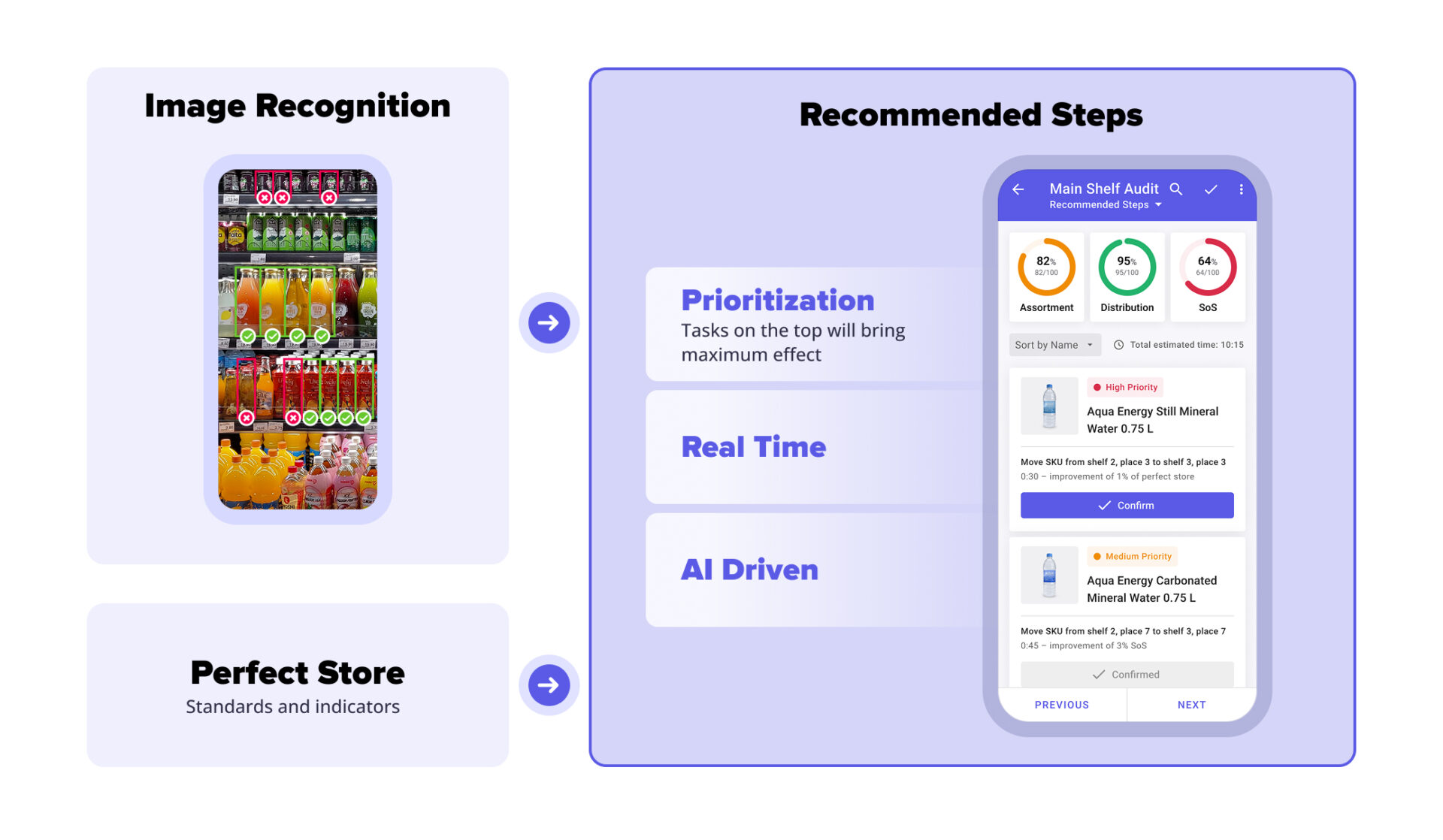
Image Recognition helps you verify that pricing is executed correctly in-store. It captures price tags, shelf placement, and promotional displays across thousands of outlets, giving you visibility into how pricing appears to shoppers.
Moreover, some IR solutions, such as SSBS’s, include a Recommended Steps of the Visit module. It provides a structured list of actions to complete during store visits and campaign execution.
B2B eCommerce helps enforce pricing rules for retailers that order remotely rather than through a field rep. Different customer segments can receive specific price lists, catalogs, and promotional conditions, while every order creates a record that helps verify pricing compliance.
Quick tip:
Pricing problems often arise during execution, not planning. Identify where pricing breaks down (during retailer negotiations, distributor handoffs, or at the shelf) and address the largest gap first
5. Establish Pricing Governance and Continuous Optimization
Strong pricing strategies only deliver results when you enforce them consistently. Without governance, pricing exceptions accumulate, promotions drift from their original objectives, and margins suffer.
What solutions help here
TPM/TPO is one of the examples of revenue management software that helps you enforce pricing and promotion rules across the organization. You can define approved promotion mechanics, financial thresholds, and approval workflows. When a promotion falls outside those rules, the system alerts teams immediately.
A proper system must also feed promotion results back into planning. With such a solution in place, you can see:
- which activities generated incremental sales
- which reduced margins
- which simply shifted demand between periods
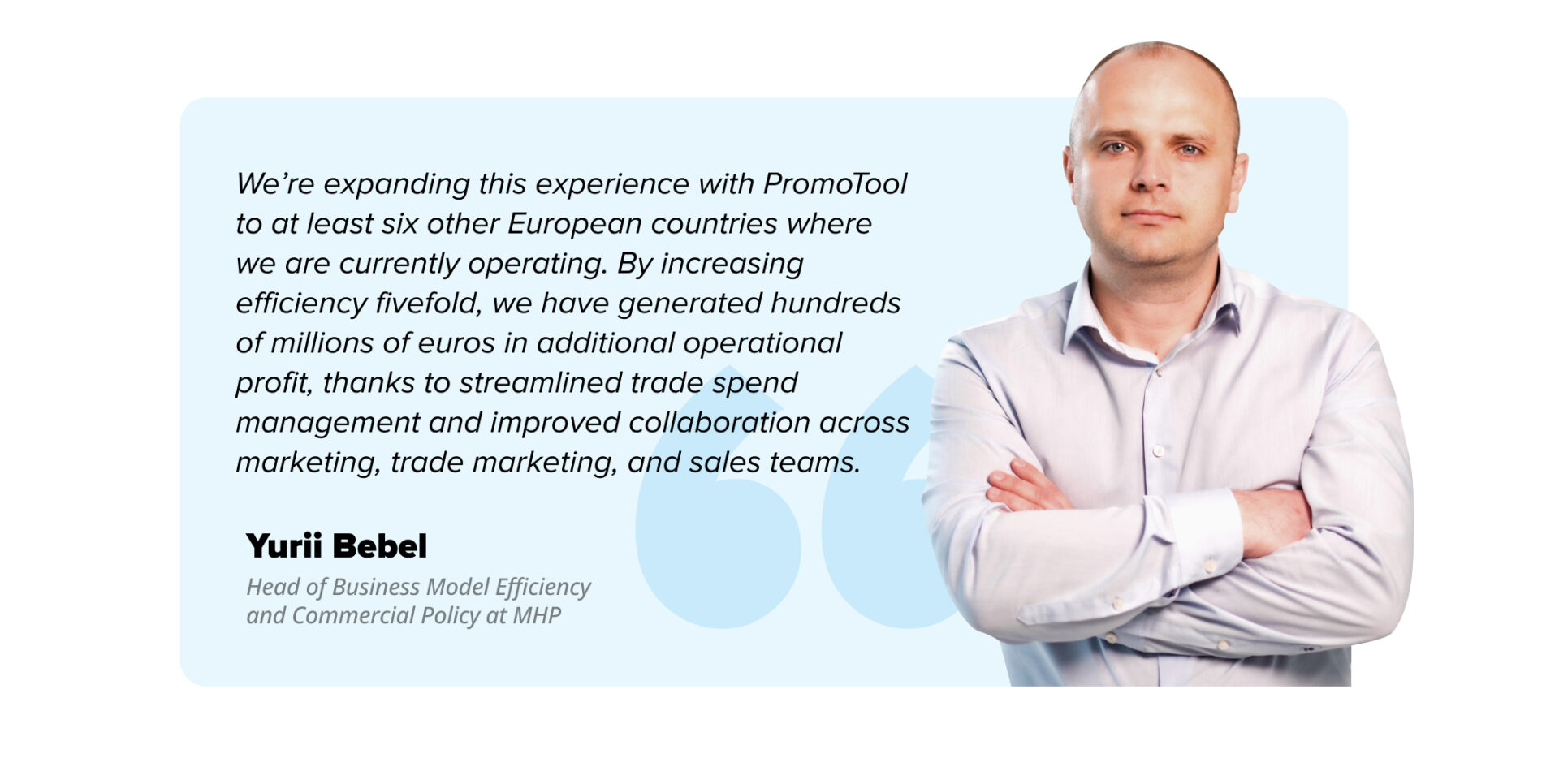
Take our PromoTool for example. One leading poultry producer implemented the solution to improve pricing and promotion governance.
Within a year, the company increased operational efficiency x5 and unlocked hundreds of millions of euros in additional value.
The improvement came from aligning sales, marketing, and finance around a shared data source.
The SSBS AI-driven ecosystem supports continuous optimization by connecting planning, execution, and performance data. SFA, Image Recognition, DMS, B2B eCommerce, and PromoTool share information in near real time.
As a result, you can identify issues earlier, measure outcomes faster, and adjust your revenue management strategy while campaigns are still running.
This closed feedback loop helps you improve results continuously rather than waiting for post-event reviews.
Where to Start
Start with your biggest source of revenue leakage. Identify the data gap that allows the problem to persist, then address that gap first.
In most cases, the highest-return starting point falls into one of three areas:
- Connect trade promotion data with field execution if promotion ROI is your main challenge.
- Adopt SFA with strong territory management features if revenue leakage stems from poor sales execution, inefficient route planning, or uneven territory coverage.
- Deploy Image Recognition if pricing, assortment, or promotional strategies are not being executed correctly at the shelf.
Each of these initiatives can be implemented within months and deliver measurable results within the strategies of revenue management. Those results often help build the business case for the next stage of digital transformation.
SoftServe Business Systems provides an AI-powered ecosystem for FMCG and CPG companies, including SFA, Image Recognition, Trade Promotion Management, B2B eCommerce, Territory Management, Distributor Management, and B2B TeleSales.
You can deploy each solution independently and integrate it with your existing systems. Together, they create a connected view of your commercial operations and help turn revenue management strategy into day-to-day execution.
Ready to identify the highest-impact opportunity in your commercial operations? Contact the SSBS team for a consultation.